Student List Defeats Vucic in Historic Serbian Election
The student-led coalition wins a landslide victory in snap polls, ending over a decade of dominance by the Serbian Progressive Party.
By Karan Cabrera ·
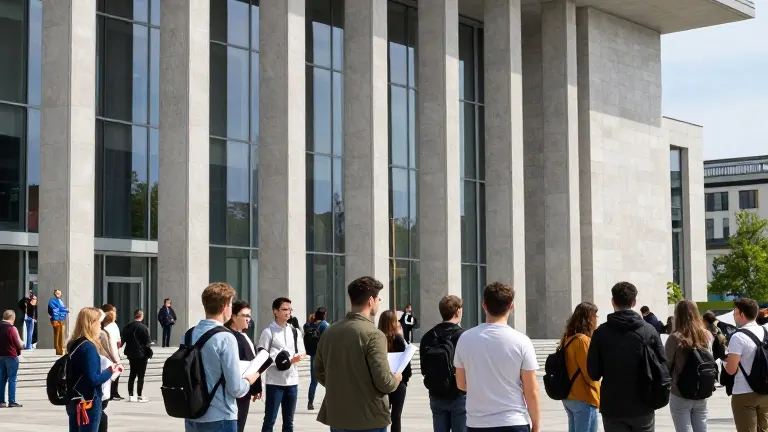
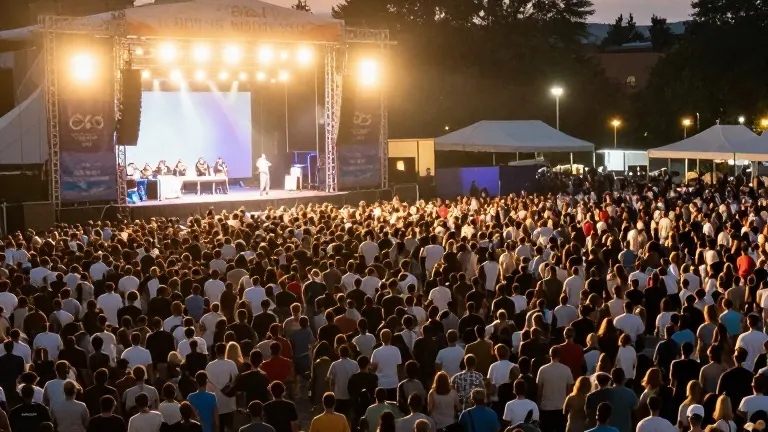
The Student List secured a decisive victory in Serbia’s snap parliamentary elections on Sunday, ending Aleksandar Vucic’s more than decade long grip on political power. Vucic, the president of the Serbian Progressive Party, conceded defeat after vote counting indicated his list would capture between 105 and 140 seats in the 250 seat assembly. The Student List is projected to win between 135 and 140 seats, securing a strong mandate for the student movement.
Voter turnout reached its highest level in more than 30 years, signaling widespread engagement in the race. Vucic addressed supporters following the initial vote samples, stating that it was clear his party had lost the election. The result marks a sharp reversal for the leader who has shaped Serbian politics since the early 2010s.
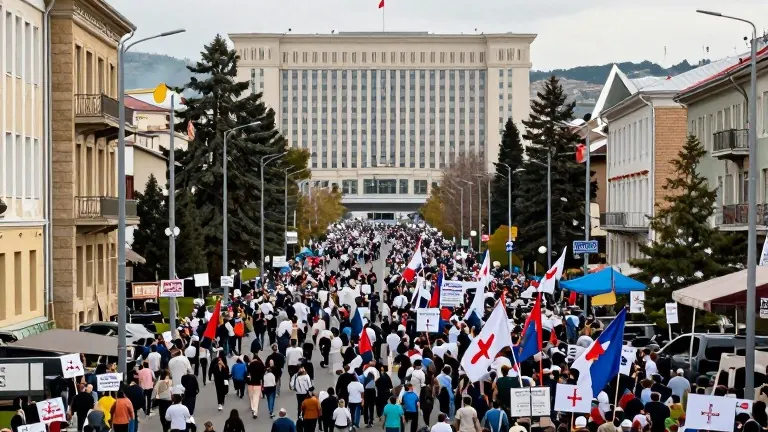
The movement behind the Student List originated in the aftermath of a tragic incident in Novi Sad. On November 1, 2024, a train station canopy collapsed, killing 16 people. The disaster sparked youth led protests that persisted for nearly two years. These demonstrations evolved into a political platform focused on combating corruption, depoliticizing public institutions, and restoring citizen rights. Ilija Srdanovic, a professor at the Faculty of Medicine in Novi Sad, led the campaign for the group.
During the election period, Vucic characterized the protesters as blockaders who sought to destabilize the country. The demonstrators included university professors, doctors, and workers. Vucic, a former ultranationalist, had previously cultivated a pragmatic image by maintaining diplomatic ties with the European Union, Russia, China, and Israel.
Born in Belgrade in 1970, Vucic entered politics in 1993 by joining the Serbian Radical Party led by Vojislav Seselj. His early political record was defined by nationalist rhetoric. In July 1995, nine days after the Srebrenica genocide, Vucic told parliament that if one Serb was killed, Serbia would kill 100 Muslims. Seselj was later sentenced to 10 years in prison in 2018 for crimes against non Serbs during the Balkan wars. Aleksandar Seselj, Vojislav’s son, appeared on Vucic’s electoral list in Sunday’s vote.
Vucic and Tomislav Nikolic founded the Serbian Progressive Party in 2008 after splitting from the Radical Party. The new party aimed to align with mainstream European politics. Safeta Bisevac, a journalist who has tracked Vucic’s career, noted that Vucic was initially less popular than Nikolic. Bisevac described Vucic as the organizer of the newly formed party who lagged behind in public appeal at the time.
The party came to power in 2012 with promises to fight corruption and organized crime. A high profile case involved the 2012 arrest of businessman Miroslav Miskovic and his son Marko on suspicion of financial irregularities. After years of legal proceedings, both were acquitted, and the state paid them compensation. Bisevac observed that the results of the anti corruption drive were modest while authorities expanded their control over institutions and media.
Vucic served as first deputy prime minister from 2012 to 2014 and became prime minister in 2014. He was elected president in 2017 and won re election in 2022. His term was scheduled to run until 2027, but pressure from student protests led to his resignation in September and the call for early elections. Bisevac stated that Vucic established almost complete control over the state apparatus despite fulfilling few of his campaign promises.
Serbia’s economy expanded under Vucic’s leadership. Unemployment dropped from 26 percent to between 8 and 9 percent, and nominal gross domestic product nearly tripled to about 90 billion euros. Foreign direct investment inflows rose from about 800 million euros in 2012 to a record 5.2 billion euros in 2024. A network of modern motorways was also constructed. However, rising wages did not always translate into proportional gains in living standards, with public debt and cost of living remaining key issues in the debate.
Political scientist Dusko Radosavljevic described the student victory as a voice for the justified anger of citizens. He characterized the past decade under Vucic by systematic pressure and the destruction of social institutions. Radosavljevic noted that state intelligence services spent more time monitoring political opponents than performing their actual duties, while critical thinking was pushed out of public media.
Source: Al Jazeera