Ukraine seeks to start Abu Dhabi talks on Nov. 3
Kyiv aims to accelerate negotiations by one week to address winter infrastructure concerns and include an EU observer.
By Karan Cabrera ·

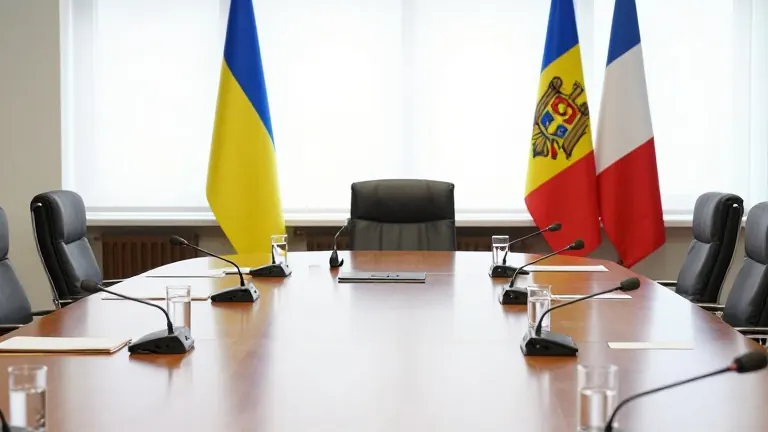
Residents of northern Ukrainian cities face a ticking clock as the government pushes to begin war talks a week earlier than planned. The Ukrainian delegation is working with Washington to convince Moscow to start the Abu Dhabi negotiations on Nov. 3 instead of Nov. 10. This shift would place the opening session before the US midterm elections and ahead of the worst winter weather.
The proposed date change is driven by practical concerns about infrastructure. A source in President Volodymyr Zelenskyy's team explained that every day matters in December when power, water, and heating systems are under strain. The team wants to make progress before the cold season intensifies the pressure on the population.
As of the evening of Oct. 25, Moscow had not confirmed the earlier date. Yuri Ushakov, an aide to the Russian leader, stated that Russia is ready to resume trilateral talks after Nov. 4. However, the Ukrainian side is actively negotiating to close that gap and secure the Nov. 3 start date.
Ukraine is also pushing to have a European representative present during the first meeting. The Russians have expressed reluctance to seat Europeans at the table initially. Nevertheless, the Ukrainian team plans to bring an EU official along to brief them in real time. Björn Seibert, head of cabinet to European Commission President Ursula von der Leyen, is the leading candidate for that role. Currently, European envoys lack a mandate to make decisions, limiting their function to observing and signaling.
Negotiators do not expect a breakthrough at the first session. A member of Zelenskyy's team noted that the first meeting will likely focus on delegations getting acquainted. Substantive work is expected to begin at the second round, with potential decisions emerging around the third meeting. The Ukrainian side is proposing to define the general framework of peace before debating specific territorial details, such as which villages belong to which country.
Davyd Arakhamiia, leader of the Servant of the People parliamentary faction, told American officials that any final peace deal must be acceptable to residents of Kharkiv and Dnipro. He argued that if the people in these cities view the formula as suitable, it would represent genuine progress. This sentiment reflects a broader skepticism in Kyiv, where trust in Donald Trump is only 6% higher than trust in Vladimir Putin.
The next steps depend on Moscow's response to the date request. If the earlier start is accepted, the delegations will convene in Abu Dhabi to outline the security model and future protections for Ukraine. Zelenskyy has maintained that Ukraine will not accept limits on the size of its armed forces or a neutral status in any agreement.
Source: Ukrainska Pravda