USDA Pledges $15 Billion to Farm Sector
New payments aim to offset fuel and fertilizer costs ahead of the November midterm elections.
By John Wisniewski ·
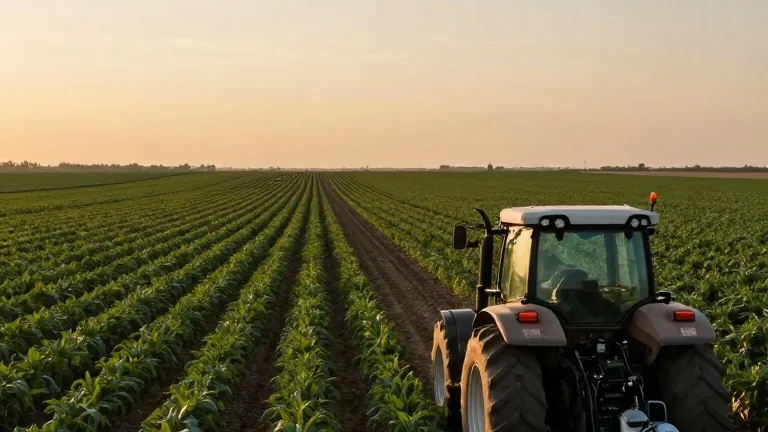
The Trump administration has issued $15 billion in new financial commitments to agricultural producers in the final weeks before the midterm elections. The funding is designed to counteract rising expenses for diesel and fertilizer, costs that have risen due to tariffs and the war in Iran. These payments are the latest in a series of measures intended to stabilize the rural economy before voters head to the polls.
The Department of Agriculture has announced these pledges alongside $13.8 billion in safety net program payments for the 2025 crop year. The safety net payments will offset shortfalls for farmers growing key crops including corn, soybeans, wheat, and rice. The new $15 billion package includes an $8 billion one-time payment plan for farmers facing high diesel prices. The agency plans to release details on these payments this month, though the timeline for when funds will reach farmers remains unclear.
Additional funds are allocated for specific sectors within the industry. At least $5 billion will be directed toward guaranteed loans for ranchers and fishermen. Another $1.8 billion will go to producers and landowners who participated in conservation programs. The administration also set aside $573 million for fertilizer manufacturing projects and $57 million for expanding meat processors. Specialty crop producers will receive $86.6 million in grants for innovative projects. On Thursday, the USDA announced it would purchase up to $472.5 million in agricultural commodities to support producers and charitable programs.
The agency is also implementing non-monetary adjustments. It will expand sales of diesel fuel typically used for off-road applications. New policies will make cattle sale data more transparent for ranchers. The department is also strengthening wolf management policies to protect livestock. These measures accompany the direct financial support as part of a broader package of assistance.
Farmers have faced a difficult year as input costs have outpaced revenue. Diesel prices averaged $6.32 per gallon on Friday, according to AAA. This price is 70% higher than a year ago, despite being slightly down from a peak in September. Filling a 100-gallon tank now costs $260 more than it did last year. Last year's tariffs also increased equipment expenses, and a trade war with China led to a near boycott of U.S. agricultural goods.
Gregg Ibendahl, a farm management specialist at Kansas State University, estimated that the new payments would more than cover the increase in fuel costs. He noted that the money could also help with high fertilizer prices. However, he warned that these ad hoc payments do not address the underlying structural issues driving up prices. He questioned how farmers would approach lenders for future loans after relying on temporary government payments to make a profit this year.
Alexandra Middlewood, an associate professor of political science at Wichita State University, reported mixed reactions from farmers. Many are relieved their businesses will survive the year, but some view the programs as one-time bailouts rather than a long-term solution. She noted that cost of living and access to health care remain top issues for rural voters. There is a perception that the administration has not done enough to address these concerns, even as the president touts a booming economy at rallies.
Michael Smith, a political science professor at Emporia State University, observed that many rural voters like the president personally but may disagree with his policies. He pointed to immigrant deportations threatening the labor force and cuts to foreign aid and SNAP hurting the market for agricultural products. Smith stated that while Trump is not on the ballot, his policies are effectively up for a vote.
Middlewood does not expect frustrated rural voters to shift en masse to the Democratic Party, given the history of Republican dominance in states like Kansas. However, she suggested some voters may sit out the election or vote independent. She emphasized that independent voters will likely determine the outcome in competitive races this year.
Source: The Boston Globe
More Business · Scam Watch · Report a business · Got a Story?