Farm Aid: $15 billion in USDA payments lands days before midterms
The Trump administration announced a package of financial support for agriculture, citing high fuel costs and tariff impacts, just 48 hours before voters head to the polls.
By Giulia Gallagher ·
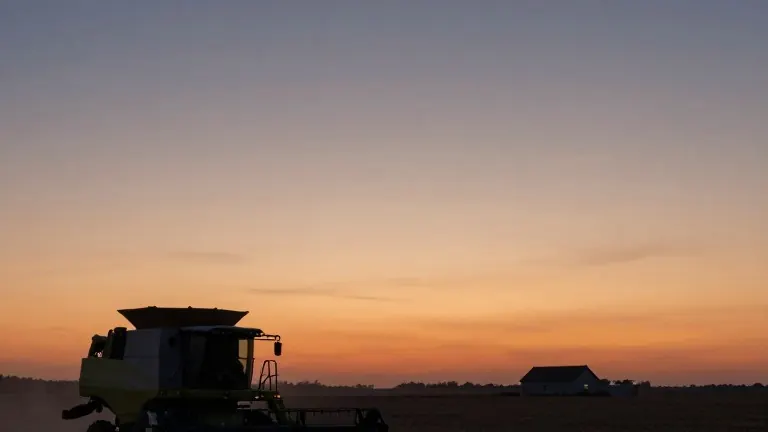
The White House unveiled $15 billion in new payments and loan guarantees for American farmers on Sunday, a move arriving just two days before the midterm elections. The administration framed the package as a direct response to soaring input costs, specifically diesel and fertilizer, which have squeezed margins for producers. Officials said the funds are intended to offset expenses driven by recent tariffs and the ongoing war in Iran.
More than half of the $15 billion is allocated to an $8 billion one-time payment plan for farmers facing high fuel bills. The Department of Agriculture stated it will release details on how these payments are distributed this month, though it did not specify when money will reach bank accounts. In addition to the fuel support, the agency announced at least $5 billion in guaranteed loans for ranchers and fishermen. Another $1.8 billion is designated for producers who participated in conservation programs, while $573 million will fund fertilizer manufacturing projects and $57 million will expand meat processing facilities.
The USDA also set aside $86.6 million in grants for specialty crop producers and announced it would purchase up to $472.5 million in agricultural commodities for charitable programs. These measures are funded primarily by the department and do not require immediate approval from Congress. The agency also proposed expanding sales of off-road diesel, improving transparency in cattle sale data, and adjusting wolf management policies to better protect livestock.
Farmers have faced a difficult year as input costs outpaced revenue. According to AAA, diesel averaged $6.32 per gallon on Friday. That price is 70% higher than a year ago, meaning a full 100-gallon tank now costs $260 more than it did in the same period last year. Gregg Ibendahl, a farm management specialist at Kansas State University, estimated the new payments would cover the increase in fuel costs and help with fertilizer bills. However, he noted the aid does not fix the underlying market pressures.
Ibendahl questioned how lenders will view these temporary boosts when evaluating future loan requests for the coming crop year. He described the situation as a risk on the input side that has hurt profitability this year. Alexandra Middlewood, an associate professor of political science at Wichita State University, reported mixed reactions from farmers. While many are relieved their businesses will survive the year, she said many view the payments as one-time bailouts rather than a long-term fix.
Rural voters remain a key demographic in these elections. Michael Smith, a political science professor at Emporia State University, said some rural voters support Trump personally but are critical of policies that have impacted the agricultural labor force and export markets. Middlewood noted that cost of living and health care access are top concerns for these voters. She expects many will remain with the Republican Party given the state's political history, but she warned that independent voters and those who sit out the election could determine the outcome.
Source: The Aegis