Prediction Markets Missed LA Mayoral Race, Raising Manipulation Concerns
Trading platforms like Kalshi and Polymarket are facing scrutiny over price spikes that can temporarily shift candidate odds.
By Giulia Gallagher ·
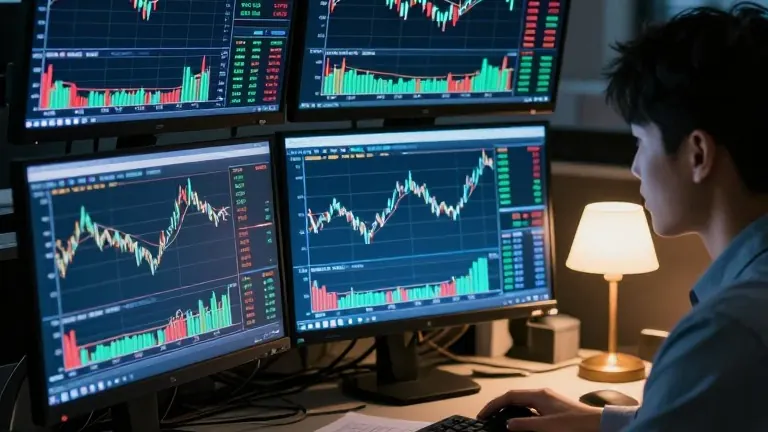
Prediction markets misjudged the Los Angeles mayoral primary, placing former reality TV star Spencer Pratt in the lead before he finished third in the June race.
The contest drew more than $47 million in trades across platforms including Kalshi, Polymarket U.S., and Polymarket International, making it the most heavily traded mayoral race of 2026. On the eve of the primary, one market assigned Pratt a 78% chance of advancing to the November runoff. Pratt supporters later cited the discrepancy to question the election's integrity. Dean Logan, the registrar-recorder for the Los Angeles County Clerk's Office, responded that "Prediction markets can add to that confusion when people treat their projections as more authoritative than the actual votes being counted."
An analysis for CNBC by the Anti-Corruption Data Collective, or ACDC, found numerous price spikes across Kalshi and Polymarket International that pushed odds in Pratt's favor during the campaign. On May 20, Kalshi reported that a trader spent $1.25 million on "Yes" contracts regarding Pratt's mayoral victory, moving contract prices from 29 cents to 45 cents. Kalshi stated that within nine seconds, the price reverted to earlier levels and the markets self-corrected. Robert DeNault, head of enforcement at Kalshi, said, "You can absolutely guarantee there are rational traders in that market willing to take those trades and bring that price right back down to where it belongs." ACDC's data showed that expanding the timeframe to three hours after the spike resulted in a price landing three cents higher, sustained for about two hours.
ACDC examined 167 congressional markets across Polymarket International and Kalshi worth more than $100,000, finding that 38 markets, or about 23%, experienced price spikes moving the contract price 30 cents or more. One such instance involved the Kalshi contract on whether Juliana Stratton would be the Democratic nominee for the Senate in Illinois. On March 3, a buyer spent $5,000 on contracts favoring Stratton's candidacy, raising the price from 47 cents to 79 cents. The price normalized after three seconds but rose to 99 cents a minute later following $3,000 in additional purchases. The price eventually settled at 52 cents. Stratton declined to comment, though a spokesperson from her office pointed to a Public Policy Polling survey released the same day as the spike that showed her leading. Two weeks later, Stratton won the Democratic primary.
Across 18,000 active congressional markets on Polymarket International, Polymarket U.S., and Kalshi, ACDC data shows 88% could have their prices moved by 10 cents with a single wager under $1,000. Michelle Kendler-Kretsch, a researcher at ACDC, questioned the motives behind such trades, asking, "If the theory is that prediction markets are accurate because of a price motive, [a lack thereof] begs the question: What type of goal does someone making a trade like that really have for themselves?" A study funded by the Brennan Center for Justice involving 1,994 registered voters, conducted in September, found voters were between 10 and 20 percentage points more likely to believe a candidate would win if prediction markets favored them, regardless of polls.
Kalshi and Polymarket U.S. fall under the Commodity Futures Trading Commission, which enforces rules designed to prevent market manipulation. Kalshi uses algorithms to flag unusual trading times, volumes, and price jumps, while Polymarket has rolled out an election-specific surveillance system to detect attempts to manipulate markets. Polymarket International partnered with blockchain analytics firm Chainalysis in April to track suspicious trading. Shana Bautista, head of global intelligence and investigations at Polymarket, previously worked at the FBI and stated, "If you want to get information on a case or a certain transaction, you have to serve either a subpoena or a search warrant to be able to get that information." Despite these controls, the outside world has no insight into who is behind each trade.
Source: CNBC