Midterm math: How both parties fight the historical loss pattern in 2026
With all 435 House seats and 35 Senate seats up for grabs, strategists from both sides detail the specific hurdles required to break the trend of a president's party losing ground.
By Karan Cabrera ·
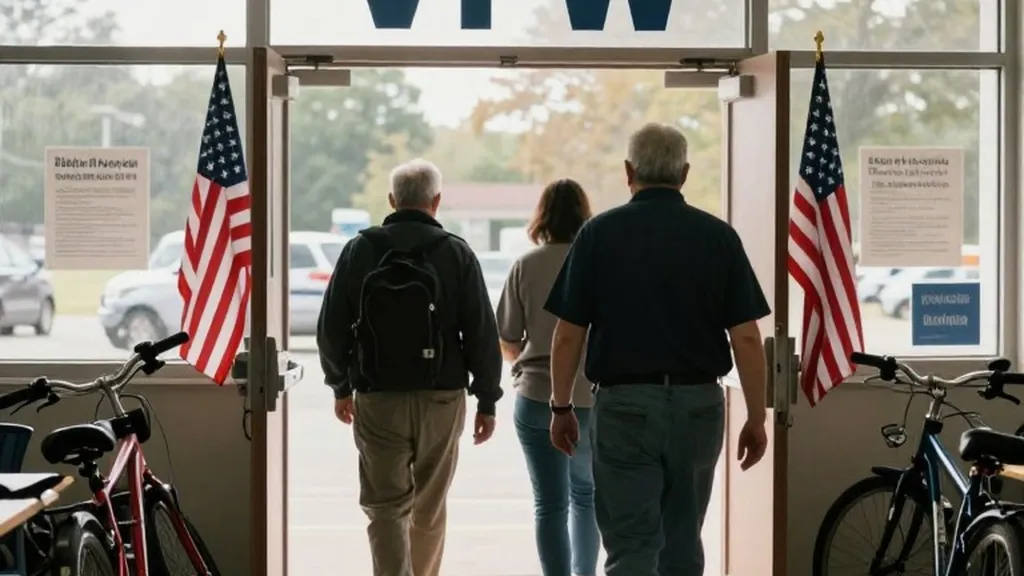
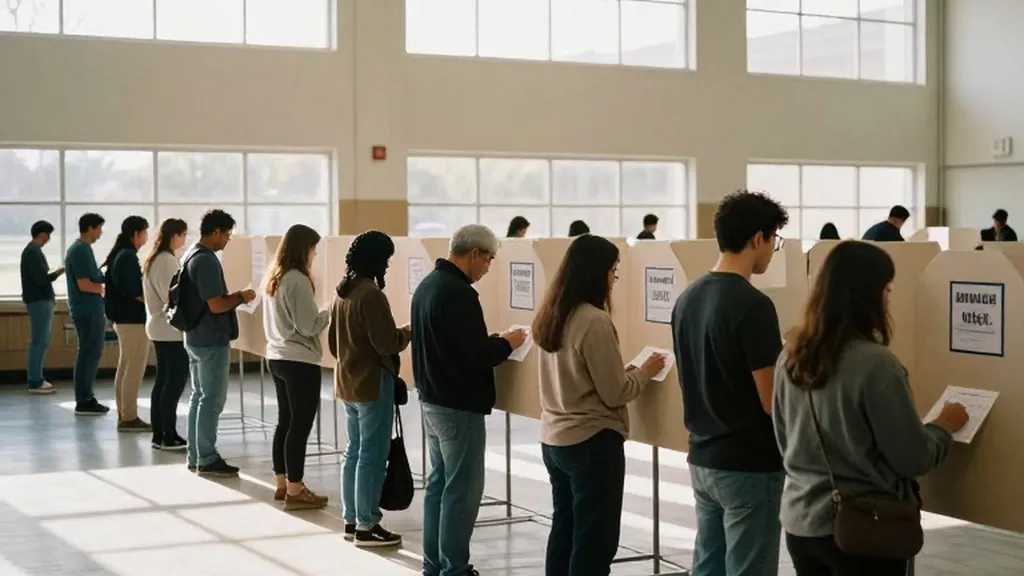
Voters across the United States cast ballots on Election Day to determine the balance of power in Congress for the final two years of President Donald Trump's second term. This midterm election serves as a critical checkpoint, with the results setting the stage for legislative control and potential investigations. The Associated Press describes the day as a referendum on the current administration, noting that many voters are grappling with high consumer prices and dissatisfaction with the ongoing conflict in Iran.
History suggests that the party holding the presidency typically loses seats during midterm elections. This pattern has made the 2026 race particularly tense for both sides. Republicans are bracing for the possibility of losing the House majority while fighting to retain their Senate lead. Democrats, meanwhile, are described as cautiously optimistic, aiming to capture at least one chamber to trigger oversight and potential impeachment proceedings.
In the House, all 435 seats are on the ballot. Republicans currently hold 218 seats, while Democrats hold 214, with one independent and several vacancies. For Democrats to secure a majority, they must achieve a net gain of three districts. Republicans can afford to lose no more than two seats. Ballotpedia identifies 46 battleground districts, with 25 held by Democrats and 21 by Republicans. A significant number of incumbents are not running again, with 23 Democrats and 37 Republicans stepping aside, creating open seats that attract national attention.
The Senate race involves 35 seats, including 33 regular elections and two special elections for the remaining terms of Marco Rubio and JD Vance. Republicans hold 53 seats, Democrats 45, and two independents caucus with the Democrats. Democrats need a net gain of four seats to take control, while Republicans can lose only two. Eleven senators are not seeking reelection, including four Democrats and seven Republicans. Key battlegrounds include Maine, which is rated a toss-up by major polling organizations, and Iowa, which is rated a toss-up or tilt Republican.
Governor races also present a chance to shift the balance of state power. Thirty-six governorships are up for election. Republicans currently hold 26 offices, and Democrats hold 24. Democrats would need a net gain of two governorships to achieve a nationwide majority, a feat they have not accomplished since 2010. Notable matchups include Georgia, where former Governor Roy Cooper faces Michael Whatley, and Ohio, where Vivek Ramaswamy runs against Amy Acton. The Associated Press notes that Texas, Florida, and Iowa are also competitive governor races.
Money has played a significant role in shaping the campaign landscape, with the 2026 elections likely to be the most expensive in history. Republican committees raised and spent more than Democratic committees, aided by Trump-affiliated groups and Elon Musk. However, at the candidate level, Democrats outraised their opponents. An analysis by the Associated Press of AdImpact data shows that 88.1 percent of Republican general election television ad spending went to states and districts that Trump won in 2024. This included more than $850 million in markets where he won by 10 points or more.
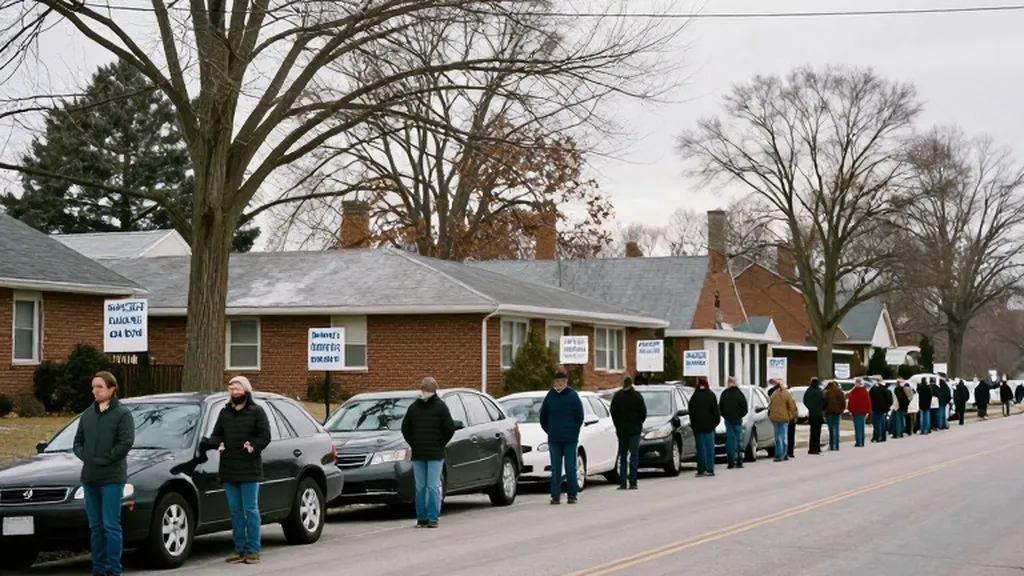
Voter sentiment reflects the high stakes of the day. According to AP-NORC polling, 35 percent of U.S. adults approve of Trump's job performance, while 25 percent approve of his handling of the economy. About seven in 10 respondents say the country is heading in the wrong direction. More than 57 million people had already voted as of Monday, surpassing early vote totals from four years ago in many closely watched states. This high volume of early voting suggests that turnout will be a decisive factor in the final counts.
Republican National Committee Chairman Joe Gruters emphasized the importance of turnout, stating, "Everything depends on turnout. If we turn out our voters, we win, and that's what we've been planning for." In contrast, House Democratic Leadership Conference Chair Suzan DelBene said, "The American people are angry. They want change." These sentiments were echoed by voters at polling places. Mark Barker of Palm Beach Gardens, Florida, said he has been following Trump and believes he is doing an awesome job. James Moore, a librarian in Raleigh, North Carolina, expressed concern over rising costs, noting, "I'm paying more taxes. I'm paying more for my healthcare. I'm paying more for everything."
Redistricting has added a new layer of complexity to the midterms. Six states are using new congressional maps after mid-decade redistricting, including California, Florida, Missouri, North Carolina, Tennessee, and Texas. Ohio is also using a new map. Republicans hoped that these new districts would help them beat the historical midterm loss pattern. However, the Associated Press notes that new districts in Florida and elsewhere may not vote as initially drawn, adding uncertainty to the final tallies.
Administrative issues have also influenced the election environment. A federal judge temporarily barred the Trump administration from carrying out a plan intended to prevent noncitizen voting, a move critics say could disenfranchise eligible voters. The administration also sued in Alaska and California regarding election certification and ballot handling. The U.S. Postal Service added hours, staff, and special lines to ensure mail ballots are counted on time. These logistical and legal challenges have kept the focus on the integrity of the process as polls open across the country.
Wall Street is closely monitoring the election results, as Reuters reports that the outcome could impact investor concerns regarding AI spending and debt ceiling negotiations. The control of Congress will determine the legislative agenda for the next two years, including potential investigations if Democrats gain power. House Democratic Leader Hakeem Jeffries has outlined a 100-day agenda focusing on the cost of living and oversight if he becomes the first Black speaker of the House. A strong Democratic performance could also boost potential 2028 candidates such as Gavin Newsom, JB Pritzker, and Pete Buttigieg, while complicating the path for Vice President JD Vance.