Iran War and Economy Shape Midterm Stakes
Voters weigh the cost of the conflict and rising prices as they decide the balance of power in Congress.
By John Wisniewski ·
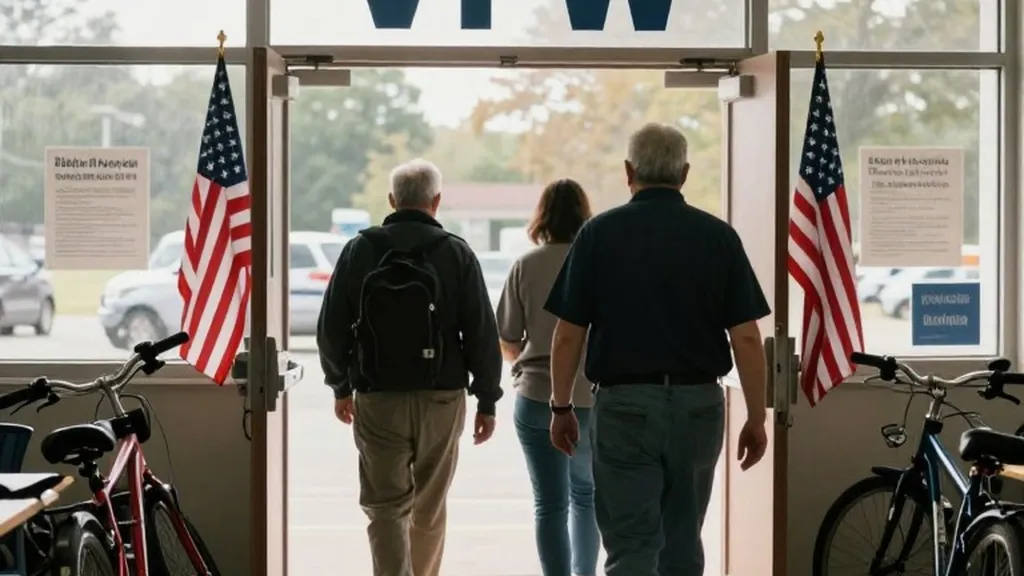
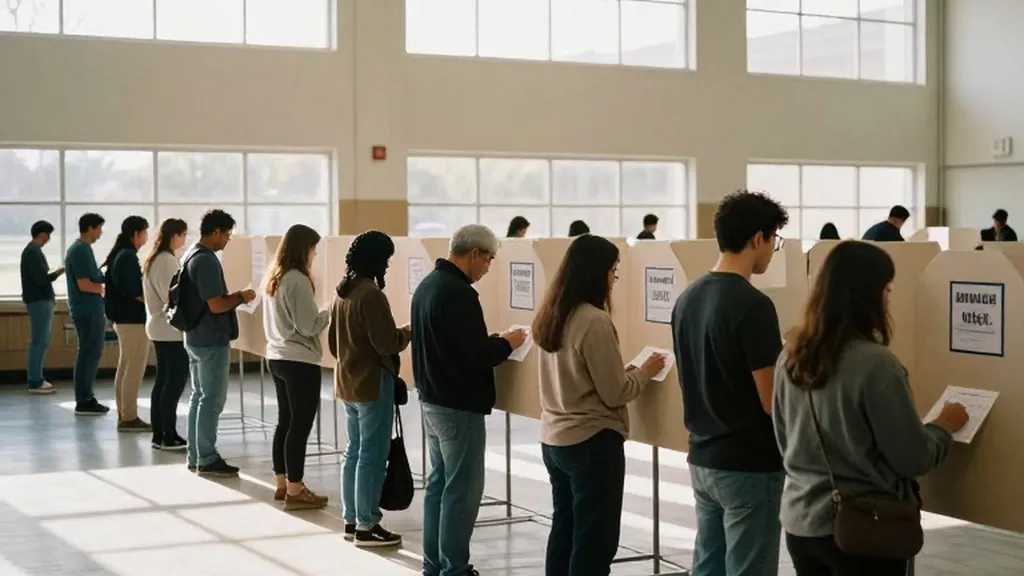
The United States is casting ballots on a day defined by economic strain and the ongoing war with Iran. The Associated Press describes this midterm election as a referendum on President Donald Trump's second term. Many voters are angry over the unpopular war and struggling with high prices. This combination of issues has created a volatile political environment. The outcome will determine which party controls Congress for the final two years of the presidential term.
In the U.S. House of Representatives, all 435 seats are up for election. Republicans currently hold 218 seats while Democrats hold 214. Democrats need a net gain of three districts to secure a majority. Republicans can afford to lose no more than two seats to maintain control. Ballotpedia identifies 46 battleground districts in this race. These include 25 districts held by Democrats and 21 held by Republicans. The competition is particularly fierce in districts where the 2024 presidential vote was close.
The Senate race involves 35 seats, including 33 regular elections and two special elections. Republicans hold 53 seats, while Democrats hold 45. Democrats need a net gain of four seats to take control of the chamber. Republicans can only lose two seats to keep their majority. Thirteen Senate races are considered battlegrounds by various polling firms. States such as Iowa, Maine, and Georgia are key to the fight for control. The AP notes that economic strain and tariffs have made Maine competitive for the first time in decades.
The war with Iran has become a central issue for voters in both parties. Republicans argue that a strong military response is necessary to protect national interests. They point to the administration's actions in the Gulf region as evidence of decisive leadership. Democrats argue that the war has drained resources and increased costs for American families. They suggest that a congressional majority for their party would allow for greater oversight of military spending. Both sides believe the election result will directly impact how the war is managed.
Polling data from the AP and NORC shows that 35% of U.S. adults approve of Trump's job performance. Only 25% approve of his handling of the economy. About seven in ten people say the country is heading in the wrong direction. Most of these individuals blame the president for high prices. This sentiment is driving voter turnout in key swing states. More than 57 million people had already voted as of Monday, surpassing early vote totals from four years ago. This high participation rate indicates a deeply engaged electorate focused on economic and foreign policy issues.
Republican leaders are bracing for the possibility of losing the House. RNC Chairman Joe Gruters stated that everything depends on turnout. He said that if they turn out their voters, they will win. Democratic leaders are cautiously optimistic about their chances. DCCC Chair Rep. Suzan DelBene said the American people are angry and want change. This divergence in mood reflects the different strategies each party is employing. Republicans are focusing on turnout in states Trump won in 2024. Democrats are targeting suburban districts and states where the war is most unpopular.
Voters in battleground states are expressing their concerns directly. Mark Barker of Palm Beach Gardens, Florida, said he has been following Trump the whole time. He believes the president is doing an awesome job. James Moore, a librarian in Raleigh, North Carolina, said he is paying more taxes and more for healthcare. He noted that he is paying more for everything. These individual accounts highlight the divide in the electorate. Some voters prioritize strong leadership and security, while others focus on the cost of living and the impact of the war on their wallets.
The result of this election will have significant implications for the war with Iran. If Democrats win one or both chambers, investigations and possible impeachment proceedings become likely. House Democratic Leader Hakeem Jeffries has outlined a 100-day agenda that includes oversight of military spending. This agenda would likely scrutinize the decisions made during the Iran conflict. A strong Democratic night could also boost potential 2028 candidates who may take different approaches to foreign policy. Republicans hope to use a win to validate the administration's military strategy.
Money plays a huge role in this election, with the 2026 races likely to be the most expensive in history. Republican committees outraised and outspent Democratic committees at the committee level. This was helped by Trump-affiliated groups and Elon Musk. However, at the candidate level, Democrats outraised their opponents. This spending disparity reflects the intense competition in key districts. The allocation of funds is strategic, with most Republican spending going to states and districts Trump won in 2024. This strategy aims to consolidate support in areas where the war is viewed favorably.
The election also involves 36 governorships, with each party holding 18 of the offices on the ballot. Democrats hope to hold a majority of governorships for the first time in two decades. This would give them more leverage in negotiating with the president on issues like the war and the economy. Key matchups include Georgia, where Republican Rick Jackson faces Democrat Keisha Lance Bottoms. The outcome of these races will further shape the political landscape. Governors often play a key role in state-level responses to national crises, including the war with Iran.
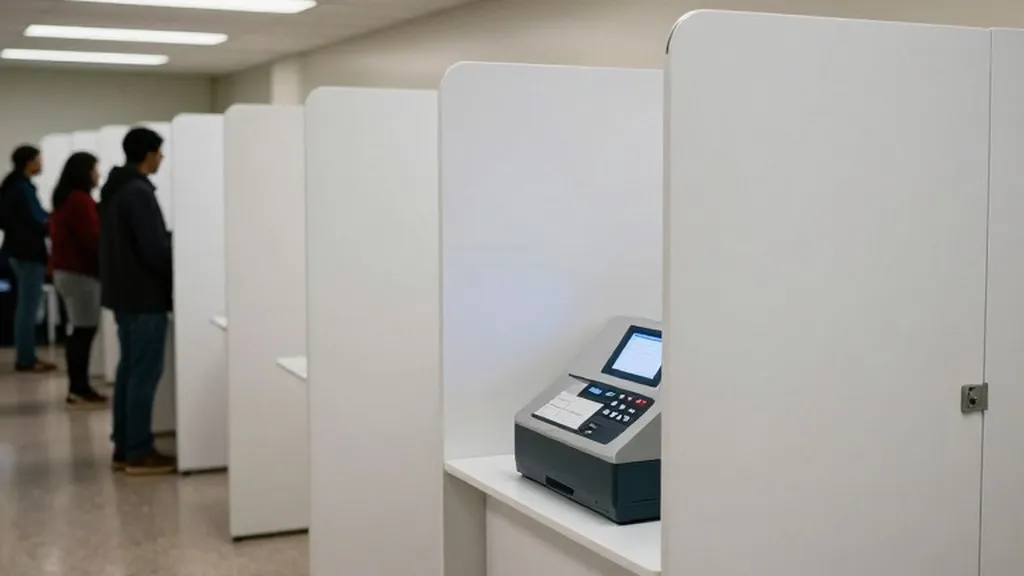
As polls close across the country, voters are making their final decisions. The results will determine the direction of the nation's foreign policy and economic management. The war with Iran will remain a central issue in the coming years. The balance of power in Congress will dictate how the conflict is handled and how the economy is managed. Voters are aware that their choice today will have long-term consequences. The election is not just about who holds office, but about the future of the country's most pressing challenges.