Midterm 2026: Every Senate and Governor Race in the States That Matter
Voters across the country face 35 Senate contests and 36 governorships, with 13 Senate races and nine governor races rated as decisive for control of Congress and statehouses.
By Karan Cabrera ·

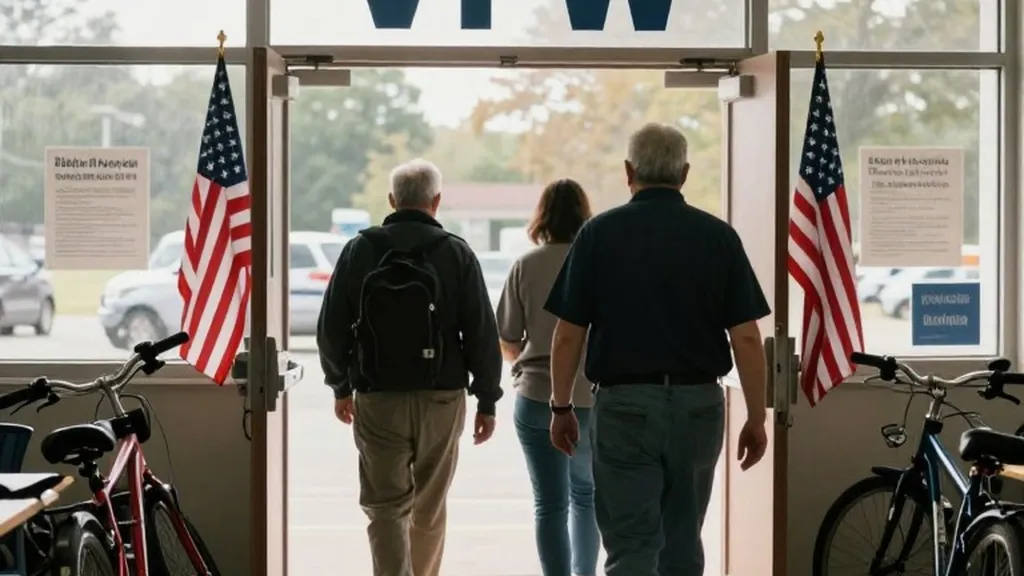
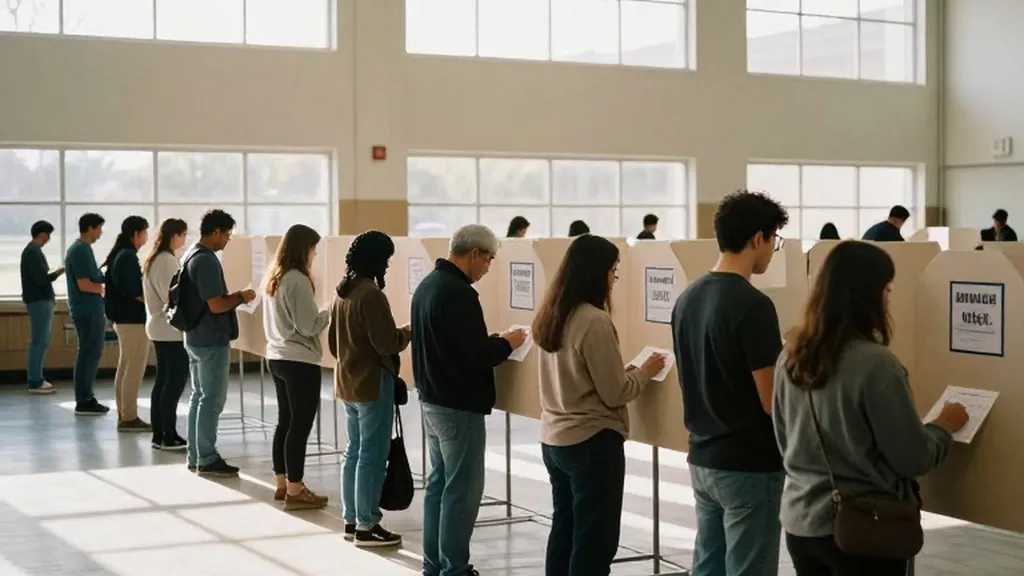
Voters across the United States are heading to the polls on Tuesday, November 3, to decide the balance of power in Washington and in state capitols. The Associated Press describes the day as a referendum on President Donald Trump's second term, with citizens expressing frustration over high prices and an unpopular conflict with Iran. All 435 seats in the U.S. House of Representatives are up for grabs, alongside 35 of the 100 seats in the U.S. Senate and 36 governorships. The outcome will determine which party controls Congress for the final two years of the current presidential term.
Thirty-five Senate seats are on the ballot, including 33 regular elections and two special elections for the remainder of the terms held by Marco Rubio and JD Vance. Republicans currently hold 53 Senate seats, while Democrats hold 45, with two independents who caucus with the minority party. For Democrats to gain a majority, they must win a net of four additional seats. Republicans can afford to lose only two seats to maintain their current majority. Eleven sitting senators are not seeking re-election, creating open contests in key states.
Ballotpedia identifies 13 Senate races as battlegrounds where the outcome remains uncertain. In Georgia, Democratic Senator Jon Ossoff faces Republican Representative Mike Collins in a state that Donald Trump won by 2.2 points in 2024. The Associated Press notes that Georgia is rated as likely Democratic by several forecasting groups. In North Carolina, Democratic former Governor Roy Cooper is challenging former Republican National Committee Chair Michael Whatley for the seat of retiring Senator Thom Tillis. The state is considered a competitive race with a 3.3 point margin for Trump in the previous presidential election.
Maine stands out as a toss-up race across all four major polling aggregators. Senator Susan Collins, a Republican, is defending her seat against Democratic former state Senate President Troy Jackson. The Associated Press reports that economic strain and tariffs have made the state more competitive. In Michigan, an open seat is being contested after Senator Gary Peters retired. Republican former Representative Mike Rogers is facing Democrat Abdul El-Sayed. On Sunday, El-Sayed's former primary opponent, Haley Stevens, endorsed Rogers, adding a layer of complexity to the race in a state that Trump won by just 1.4 points.
Other critical Senate contests include Kansas, where Republican Senator Roger Marshall is facing a challenge in a state that has become central to the fight for Senate control. The race is rated as a toss-up to lean Republican. In Alaska, the Trump administration filed a lawsuit related to the certification of the Senate result, adding a legal dimension to the race. Meanwhile, in Ohio, Democratic former Senator Sherrod Brown is running against Republican Senator Jon Husted in a special election. The Associated Press highlights that one or two seats could tip the balance in the Senate, making these races pivotal for the overall outcome.
Governor races are equally significant, with 36 offices on the ballot. Republicans hold 26 governorships, and Democrats hold 24, with each party holding 18 of the offices currently contested. Democrats would need a net gain of two governorships to achieve a nationwide majority, a feat they have not accomplished since 2010. Nineteen of the governor races have no incumbent on the ballot, largely due to term limits or retirements. This creates open fields in several states where the outcome is less predictable.
Ballotpedia identifies nine governor races as battlegrounds. In Georgia, Republican health care executive Rick Jackson is competing against Democratic former Atlanta Mayor Keisha Lance Bottoms to succeed Brian Kemp. The race is viewed as competitive given the state's shifting political landscape. In Ohio, Vivek Ramaswamy is running for governor against Democrat Amy Acton. The Associated Press reports that Ramaswamy's campaign faced backlash over an advertisement featuring Acton's estranged mother. In Nevada, Republican Governor Joe Lombardo is facing Democratic Attorney General Aaron Ford in a race that is considered close.
Voters in these states are weighing their choices against the backdrop of national issues. The Associated Press notes that more than 57 million people had already voted as of Monday, surpassing the early vote total from four years ago in many closely watched states. This high level of early participation suggests that turnout will be a decisive factor. Republican National Committee Chair Joe Gruters stated that everything depends on turnout, emphasizing the importance of mobilizing voters. In contrast, Democratic Congressional Campaign Committee Chair Suzan DelBene said the American people are angry and want change.
The financial scale of the 2026 elections is expected to be the largest in history. Republican committees have outraised and outspent their Democratic counterparts, aided by Trump-affiliated groups and Elon Musk. However, at the candidate level, Democrats have outraised their opponents. An analysis of AdImpact data by the Associated Press shows that 88.1% of Republican general election television ad spending went to states and districts that Trump won in 2024. This targeted spending strategy reflects the party's focus on defending its base while competing in swing states.
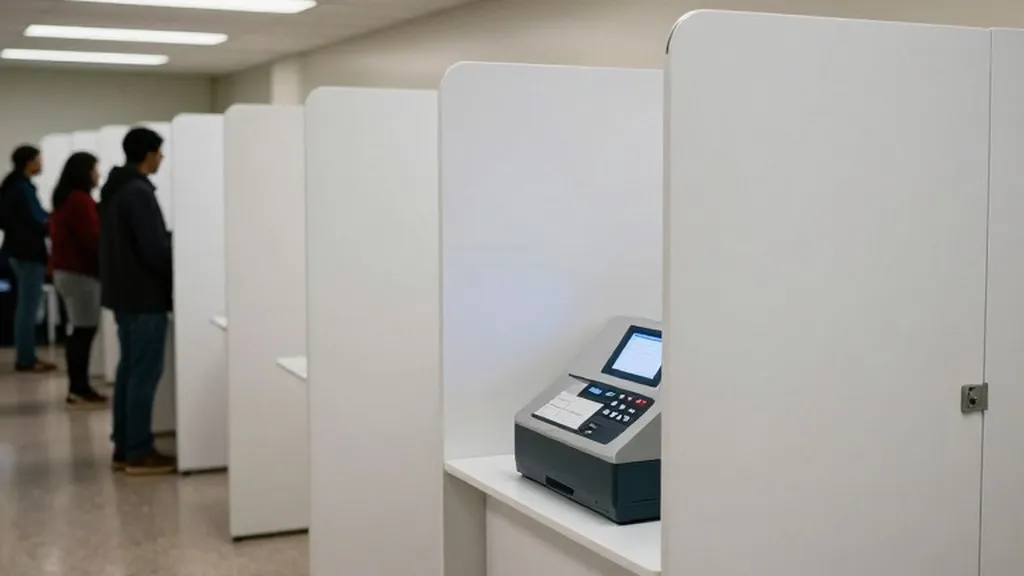
Election administration is also a point of contention. A federal judge temporarily barred the Trump administration from implementing a plan to prevent noncitizen voting, a move that critics argue risks disenfranchising eligible voters. Another judge ordered the administration to stop demanding that California election officials segregate ballots cast by people on lists of suspected noncitizens. The U.S. Postal Service has added hours and staff to ensure mail ballots are counted on time. These legal and logistical challenges add another layer of complexity to the election day process.
As polls close, the nation awaits the results that will shape the political landscape for the next two years. The stakes are high, with potential implications for investigations, impeachment proceedings, and the path to the 2028 presidential election. Whether Democrats can break the midterm pattern and win control of a chamber, or Republicans can hold their ground, will depend on the votes cast in these critical Senate and governor races across the country.