Mecca Alliance Delegates Convene in Tehran to Halt Houthi Strikes
Saudi, Pakistani, and Turkish officials meet with Iranian counterparts as the death toll from a recent airport attack reaches 13.
By Karan Cabrera ·

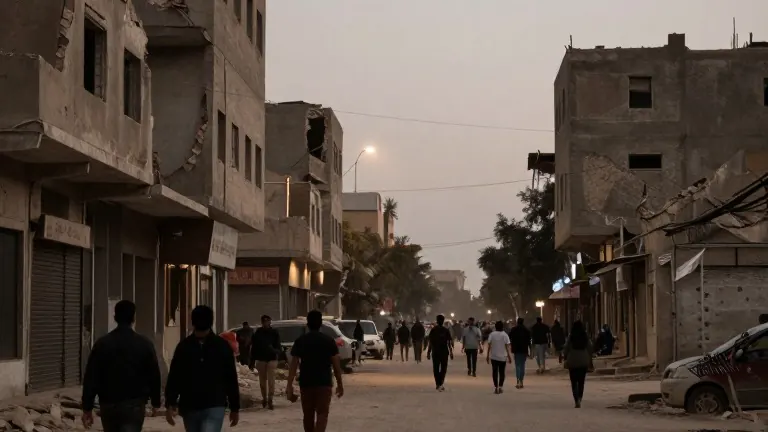
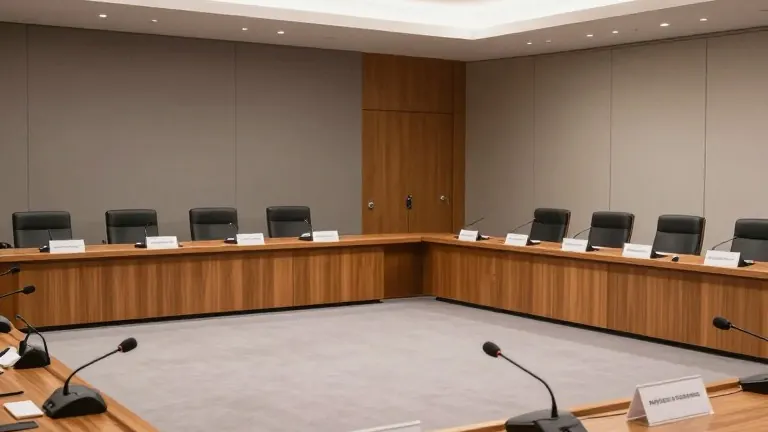
Representatives from Saudi Arabia, Pakistan, and Turkey are currently meeting with Iranian officials in Tehran to address escalating conflicts in the Middle East. The trilateral delegation from the Mecca Defense Alliance arrived on October 26 to negotiate a path toward de-escalation. This snap meeting aims to stabilize regional security and protect global energy flows.
The primary objective of the gathering is to persuade Iran to use its influence over Houthi rebels to stop missile attacks on Saudi infrastructure. A senior security official in Islamabad stated that the alliance is prepared to use closer Saudi-Israeli security cooperation as leverage. The official explained that if Iran does not comply, Saudi Arabia may seek support from Israel, potentially requiring it to join the Abraham Accords.
The Abraham Accords, signed in 2020, normalized relations between Israel and several Arab states, including the United Arab Emirates and Bahrain. Since Turkey already maintains diplomatic relations with Israel, the alliance could place this scenario on the table if Tehran refuses to rein in the Houthis. The Islamabad official noted that while Iran might act on the Houthi issue, it is unlikely to soften its stance in negotiations with the United States over the ongoing war.
The urgency of the talks is driven by intensifying Houthi attacks from Yemen. Earlier this month, Houthi rebels struck Riyadh’s King Khalid International Airport, killing 13 people and wounding more than 300. The rebels have also warned airlines against using Saudi airspace. In response, Saudi Arabia has launched strikes on Houthi targets in Yemen.
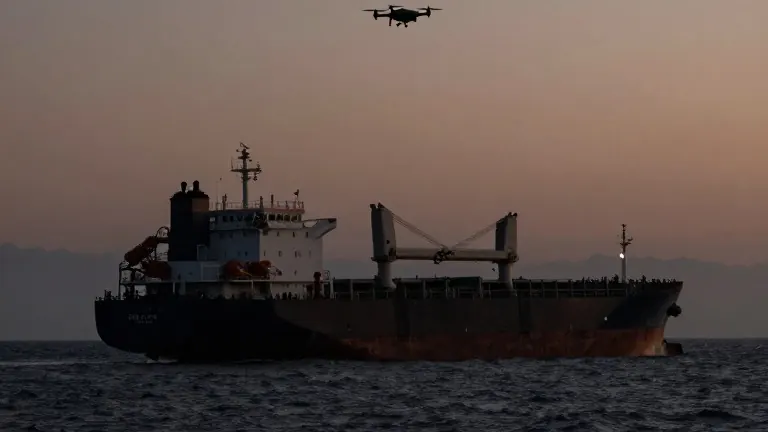
Energy transit in the region is already strained by the closing of the Strait of Hormuz. This waterway normally transports approximately one-fifth of the world's oil and gas flows. Azaz Syed, an Islamabad-based analyst, described the situation as a last-ditch effort to convince Iran to reach a negotiated settlement with the United States. Pakistan’s army chief, Asim Munir, reportedly delivered a final warning to the Iranian government during a visit to Tehran last week.
Hamidreza Azizi, a senior analyst at the International Crisis Group in Belgium, characterized the meeting as a last-minute attempt to prevent further escalation. He stated that the immediate priority is preventing the resumption of war between Iran and the United States. Azizi added that the timing suggests regional countries are concerned that diplomatic efforts may be running out of time.
Tensions between Iran and Pakistan have also risen ahead of the meeting. Islamabad closed two border crossings between Baluchistan and Iran’s Sistan-Baluchistan Province. Pakistan also changed its digital currency tracking procedures for Iranian exports and suspended operating clearance for Mahan Air, an airline believed to have links with Iran’s Islamic Revolutionary Guards Corps. Neither country’s authorities have confirmed or denied the suspension of the airline.
In reaction to these measures, Iran stopped the export of Liquified Petroleum Gas to Pakistan. This action has caused a sharp increase in gas prices for domestic and commercial consumers in Pakistan. The country imports around 7,000 metric tons of LPG daily from Iran. Reza Amiri Moghadam, the Iranian envoy to Islamabad, said consultations are under way to address cross-border trade issues. He noted that several hundred trucks carrying LPG have been stuck at the Rimdan border for several weeks without being unloaded.
Saudi Deputy Minister for Public Diplomacy Rayed Krimly posted on social media that the visit underscores the commitment of Mecca Pact states to regional stability. Rabia Akhtar, a professor of international relations at the University of Lahore, viewed the meeting as an attempt at regional crisis management rather than the creation of a new security architecture. She stated that no participant benefits from another regional war.
Azizi of the International Crisis Group believes the meeting could reduce tensions by keeping communication channels open. He noted that the main unresolved problem remains Iran’s demand for credible security guarantees against renewed attacks, while regional mediators have limited ability to influence Washington's decisions.
Source: RFE/RL