How to Vote in 2026: Hours, ID, and Mail Ballot Logistics
A practical guide for voters to navigate state-specific poll hours, identification requirements, and postal services on Election Day.
By Giulia Gallagher ·
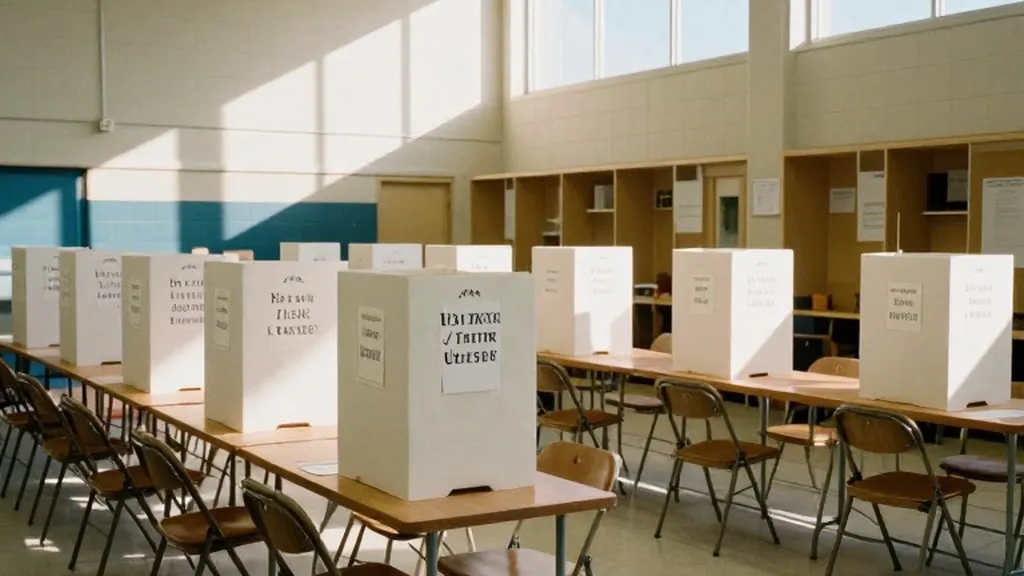
Voters across the United States are heading to the polls today to decide the balance of power in Congress during the final two years of President Donald Trump's second term. With all 435 House seats and 35 Senate seats up for grabs, the administrative logistics of casting a ballot have become a critical component of the election process. The Associated Press describes the day as a referendum on the current administration, with voters navigating high prices and political uncertainty while managing specific local requirements for participation.
The first step for any voter is determining the correct time to arrive at their polling place. Poll hours vary significantly by state, and knowing the local schedule is essential to avoid delays. For example, Alabama polls open at 7 a.m. and close at 7 p.m., while Alaska extends voting until 8 p.m. Arizona voters have a window from 6 a.m. to 7 p.m., and Arkansas follows a similar 7:30 a.m. to 7:30 p.m. schedule. In California, which relies heavily on mail voting, polls are open from 7 a.m. to 8 p.m., whereas New York offers the latest closing time in the nation at 9 p.m.
Other states have distinct schedules that require careful planning. Colorado, also a mail-heavy state, runs from 7 a.m. to 7 p.m., while Connecticut opens early at 6 a.m. and closes at 8 p.m. Delaware and Georgia both operate from 7 a.m. to 7 p.m., and Hawaii follows the same 7 to 7 schedule. Idaho is an exception, opening and closing at 8 a.m. and 8 p.m. respectively. Illinois polls are open from 6 a.m. to 7 p.m., and Indiana closes at 6 p.m. Iowa, Kansas, and Maryland all run from 7 a.m. to 8 p.m. or 7 p.m. depending on the zone, with Kansas specifically noting Central Time.
Voters in the Midwest and South should note that Kentucky opens at 6 a.m. and closes at 6 p.m., while Louisiana and Maine both offer a 6 a.m. to 8 p.m. window. Massachusetts, Michigan, Minnesota, Montana, and Wisconsin all run from 7 a.m. to 8 p.m. Mississippi, New Mexico, Oklahoma, South Carolina, South Dakota, and Texas close at 7 p.m. Nevada, Oregon, Utah, Vermont, and Washington rely heavily on mail ballots, with in-person hours varying but generally closing by 8 p.m. or earlier.
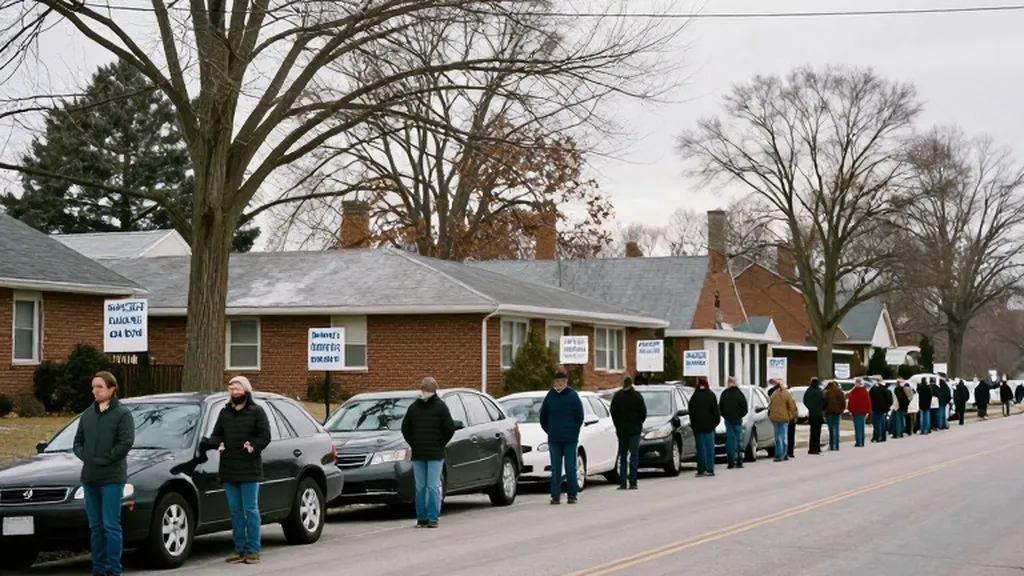
Identification rules add another layer of complexity to the voting process. While every state has different requirements, voters are advised to check their specific state rules before heading out. Some states require a photo ID, while others accept non-photo identification or no ID at all if the voter signs an affidavit. The key legal protection for voters is that anyone in line when polls close is entitled to cast their ballot, regardless of when they arrived. This rule ensures that last-minute arrivals are not turned away if the closing time has just passed.
For those who prefer or need to vote by mail, the U.S. Postal Service has taken specific steps to ensure ballots are counted on time. The agency added hours, staff, and special lines to process the surge in election mail. This is particularly important in states like California, Colorado, Hawaii, Nevada, Oregon, Utah, Vermont, and Washington, where mail voting is a primary method of participation. Voters should verify their ballot status and ensure they are mailing their ballots well ahead of the deadline to account for any postal delays.
The election also features new congressional maps in several states due to mid-decade redistricting. California, Florida, Missouri, North Carolina, Tennessee, and Texas are using new districts, along with Ohio. These changes can affect which voters are assigned to which polling places and how votes are tallied for specific representatives. Voters should double-check their district assignments, as the lines have shifted for some precincts. This redistricting is a central part of the strategy for both parties as they fight to maintain or gain control of the House and Senate.
Political leaders from both sides have emphasized the importance of turnout in this close election. RNC Chairman Joe Gruters stated that everything depends on getting voters to the polls, noting that if the party turns out its base, they win. Conversely, DCCC Chair Rep. Suzan DelBene argued that the American people are angry and want change, suggesting that high turnout will reflect a desire for a shift in power. These statements highlight the competitive nature of the race, where small differences in voter participation can determine the outcome of key seats in the House and Senate.
Voters are also dealing with a backdrop of economic concerns and political disputes. The AP-NORC polling indicates that 35% of U.S. adults approve of President Trump's job performance, while about 7 in 10 say the country is heading in the wrong direction. Many voters cite high prices as a primary reason for their dissatisfaction. On the ground, voters like Mark Barker of Palm Beach Gardens, Florida, expressed support for the President, while James Moore of Raleigh, North Carolina, cited higher taxes and healthcare costs as reasons for his vote. These personal narratives reflect the broader national mood.
As polls open, the focus shifts to the practical execution of the vote. Whether casting a ballot in person or by mail, voters must navigate their specific state's hours and ID rules. The Postal Service's added resources aim to mitigate risks in mail voting, while the legal landscape remains active with federal judges barring certain administration plans regarding noncitizen voting. With results still pending and polls open, the day is a test of both political will and administrative readiness.