France expands nuclear deterrence pact with nine European neighbors
Paris is deploying Rafale jets and sharing intelligence with partners as trust in US security guarantees declines.
By Karan Cabrera ·
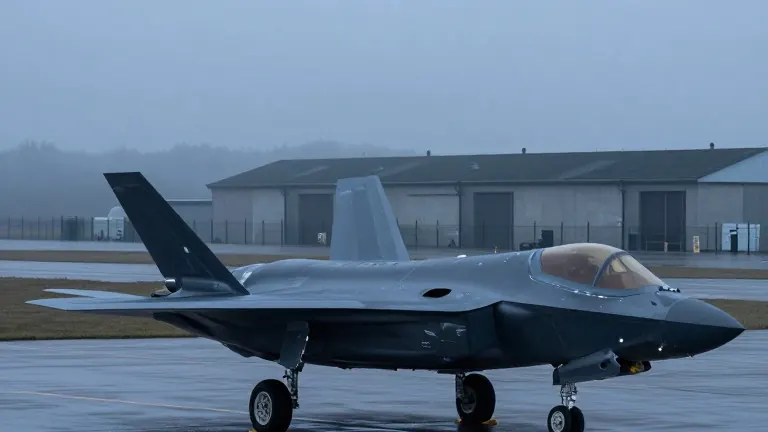
Europe is reassessing its defense posture as reliance on American security commitments weakens. France has agreed to a 'forward deterrence' arrangement with ten other nations to expand its role as the continent's nuclear power.
The initiative, first disclosed by the Wall Street Journal on Monday, includes the creation of new infrastructure and communication links. French nuclear-enabled Rafale jet fighters will be deployed across the region. Partners will also gain access to early warning systems and intelligence sharing.
Germany, Poland, the Netherlands, Belgium, Finland, Norway, Sweden, Denmark, and the United Kingdom have joined the plan since French President Emmanuel Macron announced it in March. The level of participation varies by country. France has conducted individual talks with each partner rather than holding multilateral sessions. Senior defense officials noted that European nations must communicate directly to compare the information they received from Paris.
Finnish President Alexander Stubb stated that no nuclear weapons are planned for Finnish soil during peacetime. He explained the goal is to create a strategic dilemma for Russia. Stubb described the effort as a ten to fifteen year process aimed at improving security through information access.
French officials argue the new pact is more credible than US guarantees because France shares the same geography and economic continuity with its neighbors. Macron's adviser, Chatel, noted that the survival of close partners directly affects France's vital interests. Macron made a similar point in March, asking if the risk to partners could be ignored without impacting French interests.
Norwegian Foreign Minister Espen Barth Eide said the plan supplements existing US nuclear guarantees rather than replacing them. France has resumed manufacturing nuclear devices for the first time in decades and made the size of its stockpile confidential. The nuclear force will remain under total French control.
The strategy is designed to appeal across the political spectrum in France. This includes the far-right party of Marine Le Pen, which is currently polling ahead in the race for the presidency in next spring's elections.
Source: The Jerusalem Post