Voters in Raleigh and Palm Beach weigh tariffs against economic approval
AP-NORC data shows 35% Trump approval and 7 in 10 saying the country is off course, driving a focus on cost of living.
By John Wisniewski ·
Voters across the United States are casting ballots on a day defined by economic anxiety, with the Associated Press describing the midterm election as a referendum on President Donald Trump's second term. The central question for many Americans is not ideological but practical, focusing on the cost of groceries, energy, and housing. This shift in voter sentiment is evident in the polling numbers released by the Associated Press and NORC, which indicate that 35 percent of U.S. adults approve of the president's job performance. A narrower margin of 25 percent approves of his handling of the economy, a figure that underscores the specific frustration with financial stability.
The broader national mood suggests a deep sense of uncertainty about the future. Approximately seven in ten Americans say the country is heading in the wrong direction, according to the same AP-NORC survey. Most of those respondents blame the president for high prices, creating a dynamic where economic performance has become the primary lens through which voters evaluate their choices. This economic pressure is not abstract; it is felt in the daily lives of citizens from the South to the East Coast, influencing how they view the candidates on the ballot today.
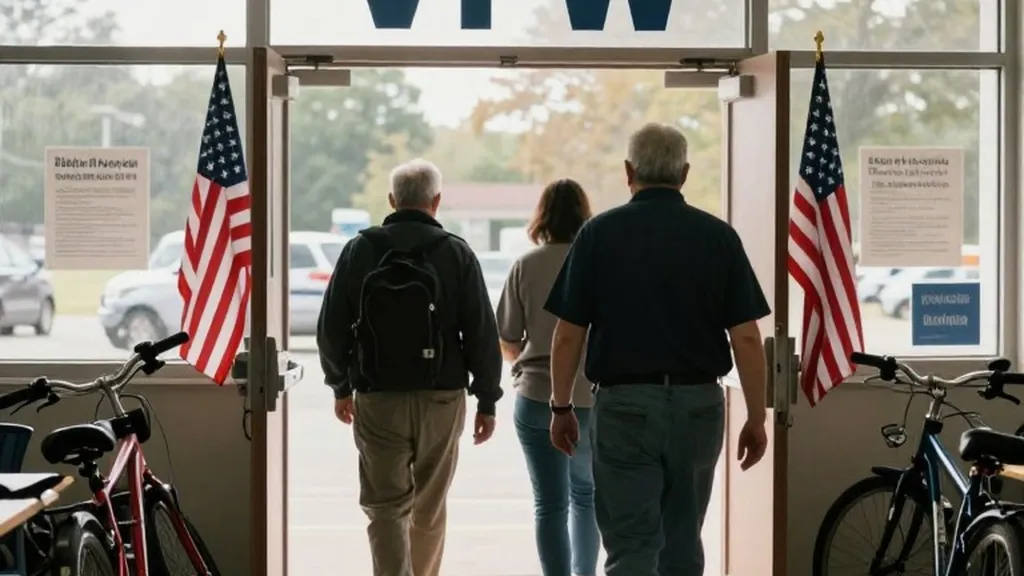
In Raleigh, North Carolina, the economic strain is palpable for James Moore, a 57-year-old librarian who is heading to the polls today. Moore describes his financial situation as a series of increasing burdens that have accumulated over the past few years. He notes that he is paying more in taxes, paying more for healthcare, and paying more for everything else he purchases. For Moore, the election is a direct response to these rising costs, and his vote reflects a desire to address the financial squeeze that has tightened his household budget significantly.
Contrasting views emerge from Palm Beach Gardens, Florida, where voter Mark Barker is also participating in the election. Barker has been following President Trump closely and believes the administration is performing well. He states that he really thinks the president is doing an awesome job, a sentiment that highlights the divergent experiences and perceptions among voters in different regions of the country. While Moore in Raleigh feels the pinch of inflation, Barker in Florida sees a positive trajectory in the nation's economic direction.
The role of tariffs in this economic conversation cannot be overlooked, as the Associated Press notes that economic strain and tariffs have made states like Maine competitive in the Senate race. In Maine, Senator Susan Collins is facing a challenge from Democratic former state Senate President Troy Jackson. The AP reports that concerns about the cost of living have turned this traditionally Republican state into a battleground, where voters are weighing the impact of trade policies on their local economies. This trend mirrors the sentiment in other states where economic issues are driving voter behavior.
National polling data suggests that the economy is the dominant issue, with about seven in ten Americans saying the country is heading in the wrong direction. This widespread concern is likely to influence the outcome in the 46 battleground districts identified by Ballotpedia for the U.S. House of Representatives. In the Senate, 13 races are considered competitive, with states like Georgia and Michigan seeing tight margins. The AP-NORC numbers provide a baseline for understanding how voters are prioritizing economic stability over other policy issues as they cast their ballots.
President Trump has been actively campaigning to address these economic concerns, holding dozens of rallies in the weeks leading up to Election Day. His final rally was held in Salina, Kansas, where he urged voters to pretend he was on the ballot. The president has continued to make claims about voting fraud and noncitizen voting, which has led to legal challenges in states like Alaska and California. These actions have added a layer of complexity to the election, as Democrats express concern about interference and intimidation by the Justice Department.
The financial resources behind the campaigns also reflect the intensity of the economic battle. The 2026 elections are likely to be the most expensive in history, with Republican committees outspending Democratic committees at the national level. However, at the candidate level, Democrats have outraised their opponents. This disparity in spending highlights the different strategies employed by each party to address voter concerns about the economy. The AP analysis of AdImpact data shows that 88.1 percent of Republican general election TV ad spending went to states and districts that Trump won in 2024, indicating a focus on defending the president's economic legacy.
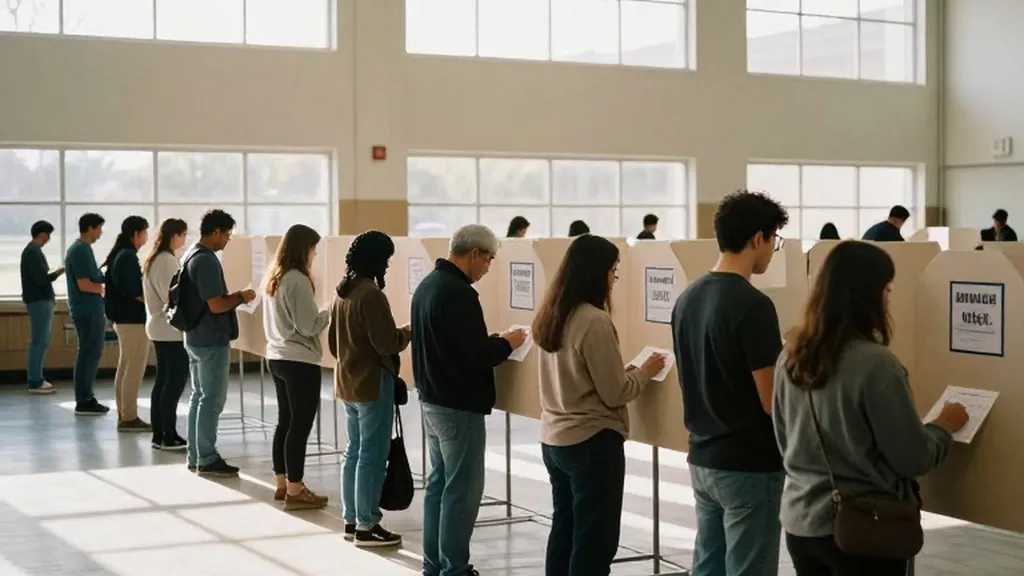
As polls open across the country, voters are making decisions based on their personal experiences with the economy. In states like North Carolina and Florida, where the presidential vote was close in 2024, the outcome may hinge on how voters perceive the current economic conditions. The AP-NORC data suggests that a significant portion of the electorate is dissatisfied with the direction of the country, which could lead to a shift in congressional control. The results of today's vote will determine who controls Congress for the final two years of the president's term, with the economy remaining the central issue throughout the day.
The election is also being watched closely by Wall Street, with Reuters noting that results could add to investor concerns about AI spending and debt ceiling negotiations. The outcome in Congress will have significant implications for the national debt and economic policy, further emphasizing the importance of today's vote. As voters head to the polls, they are not just choosing representatives but also casting a vote on the economic direction of the United States. The AP-NORC numbers provide a clear picture of the challenges facing the administration and the opportunities for the opposition to capitalize on economic discontent.