Student ties Torah themes to modern faith in Vayera commentary
A seventh-grader at Krieger Schechter Day School analyzes how ancient texts model responsibility and uncertainty in daily life.
By Giulia Gallagher ·
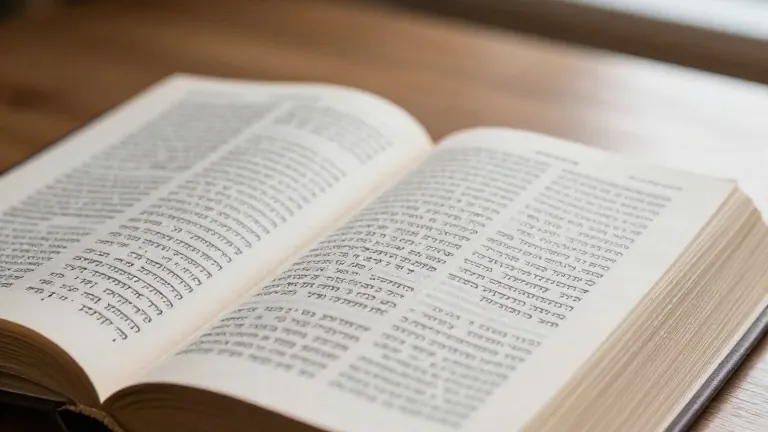
Jordan Gerstenblith, a seventh-grade student at Krieger Schechter Day School, published a commentary on the Torah portion Vayera for the Baltimore Jewish Times on October 29, 2026. The piece examines how ancient narratives relate to modern spiritual practice. Gerstenblith focuses on the themes of responsibility, uncertainty, and hospitality found in Genesis chapters 18 through 22.
The student previously worked with the Jewish library at the JCC this summer. That project involved creating a list of children's books linked to the first ten parshiot. The goal was to assist educators in teaching Jewish children about Torah themes through literature. While compiling the list for Vayera, Gerstenblith focused on the concept of maintaining a relationship with the divine.
Gerstenblith identifies two key scenes in the text that illustrate different human interactions with God. The first scene involves Avraham arguing with God over the destruction of Sedom and Amorah. In this account, God informs Avraham of the plan, and Avraham negotiates the number of righteous people required to spare the city. He starts at fifty and lowers the number to ten. Citing Rabbi Shai Held, Gerstenblith notes that this argument serves as practice for standing up for justice.
The second scene depicts Lot hesitating to leave Sedom as angels instruct him to depart with his family. The text describes Lot lingering until the angels physically guide him out. The Hebrew word for this lingering action contains a root meaning 'what,' suggesting a state of confusion or inquiry. This word carries a unique cantillation mark known as the shalshelet, which appears only four times in the entire Torah.
Rabbi Yoseph Iben Caspi interpreted the shalshelet as a representation of Lot's mental state. The interpretation describes a person stuck between the present and the future, unable to make a decision. Gerstenblith argues that this uncertainty is a common human response. The melody associated with the mark repeats three times, reflecting the indecisiveness of the moment.
Gerstenblith connects these ancient examples to modern life by emphasizing personal connection and community. The student describes feeling close to God during Hebrew prayer and Torah study with their great-grandmother, Bubby Lewis. The commentary suggests that connecting with others serves as a pathway to the divine. Specifically, the act of welcoming guests, or hachnasat orchim, mirrors Avraham's enthusiastic hospitality in the text.
The piece concludes by listing three ways to relate to God and others: taking responsibility, expressing uncertainty honestly, and welcoming guests into communities. Gerstenblith is a seventh-grade student at Krieger Schechter Day School.
Source: Baltimore Jewish Times