Musk tops $446 million in donations as 2026 midterms approach record ad spend
The 50 largest donors have given $2.77 billion, with Republican-aligned groups receiving double the amount of their Democratic counterparts.
By Karan Cabrera ·
Elon Musk has donated $446 million to the 2026 US midterm election cycle, making him the largest individual contributor according to Federal Election Commission data. His contribution dwarfs other individual gifts and places him far ahead of other billionaires in the race.
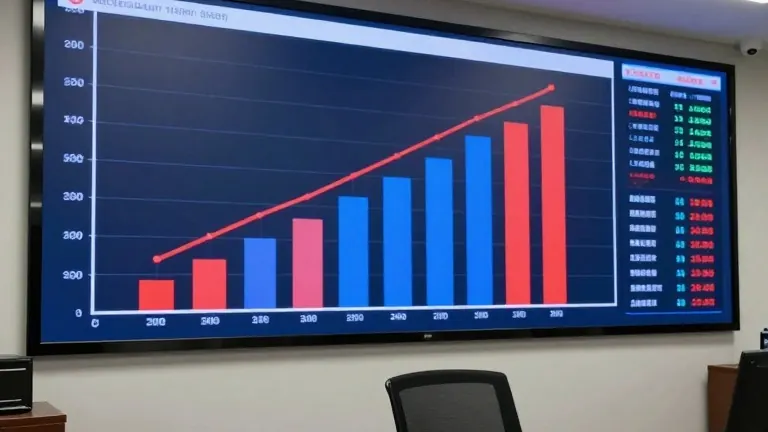
AdImpact projects that political advertising spending will reach $11.6 billion for the November 3 vote. This figure would make it the most expensive election in US history, surpassing the 2024 presidential race. The 50 largest donors and organizations have collectively contributed $2.77 billion so far.
Republican-aligned donors account for $1.67 billion of that total, roughly 60 percent. Democratic-aligned donors have given $832 million, or 30 percent. The remaining $264 million came from bipartisan or special interest groups, including those supporting sports betting and cryptocurrency.
Individual donors can legally give up to $3,500 per election to a federal candidate. However, many large donors bypass this limit by giving to super political action committees, or super PACs. These groups can raise and spend unlimited funds, provided they do not coordinate directly with candidates.
On the Republican side, Elizabeth and Richard Uihlein of Uline and Jeff and Janine Yass of Susquehanna International Group follow Musk. On the Democratic side, George Soros has given $102 million, Mike Bloomberg $84 million, and Reid Hoffman and Michelle Yee $41 million. Four individual donors have each contributed more than $100 million.
Political nonprofits also lead organizational giving. One Nation, aligned with Senate Republicans, gave $133 million. Majority Forward, allied with Senate Democrats, contributed $102 million. Cryptocurrency firms such as Coinbase, Ripple, and Foris DAX also made substantial contributions, ranging from $39 million to $57.8 million.
Lawrence Lessig, a Harvard Law School professor, argues that the concentration of donors is the primary concern. He noted that while politicians know the source of the money, voters often do not. Super PACs must report donors to the FEC, but some nonprofit groups can hide the origin of their funds.
Source: Al Jazeera