Baltimore Council Advances Neighborhood Safety Agency Without Final Cost
Lawmakers approved a plan to shift low-risk 911 calls to mental health staff, though officials have not yet calculated the total price.
By John Wisniewski ·
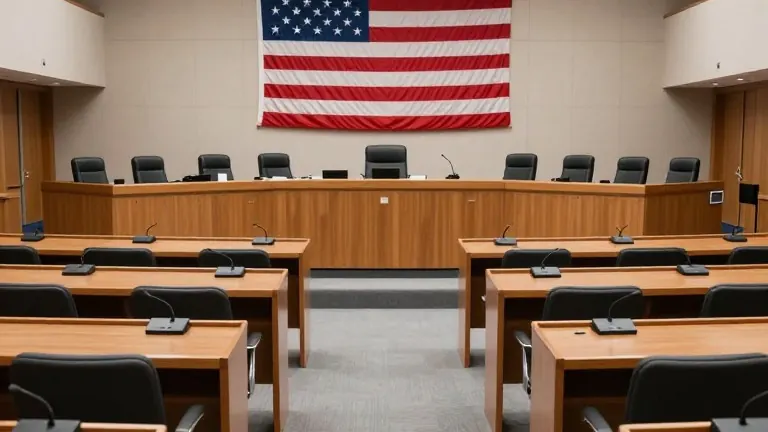
Baltimore City Council members voted twice on Monday to create a new Department of Neighborhood Safety. The agency will take over 911 calls that do not involve weapons or life-threatening danger. Instead of police, social workers and peer specialists will respond to these calls. The council passed the measure with near-unanimous support. Final passage is scheduled for early next month.
The proposal consolidates existing crime diversion efforts currently managed by the Mayor’s Office of Neighborhood Safety and Engagement. It adds new staff to handle specific types of calls. These include welfare checks and nuisance reports. The teams are designed to work at all hours once fully staffed. The plan was introduced jointly by Mayor Brandon Scott and Council President Zeke Cohen in September.
The city has not yet determined how much the new department will cost. The finance department reviewed the bill before committee hearings. A memo from the deputy director of finance warned of a potentially large fiscal impact. The total expense depends on staffing levels and the volume of calls the department handles. Scott’s staff plan to start the office with 15 million dollars in restitution funds from opioid settlements. Those funds are expected to run out by 2032. The memo noted that programs would then need to end or switch to another funding source.
Councilman Mark Conway cast the only vote against the plan. He supported the intent of the legislation but said the administration moved too quickly. Conway noted that no budget had been produced for the new office. He expressed concern that the city might saddle itself with expectations it is not prepared to meet. He stated that the council’s job is not just to generate ideas but also to manage the budget.
Other council members disagreed that the process was rushed. Councilwoman Odette Ramos pointed to hearings held last year after several residents in mental health crises were killed by police. She described the new department as the cap on years of work. Council Vice President Sharon Green Middleton, the longest-serving member, agreed that the council has long tried to bring wrap-around services to the city.
Cohen said he wants to hire a director before releasing a final price tag. His office and staff from the mayor’s office visited Durham, North Carolina, to observe its diversion program. Durham diverts five percent of 911 calls from police. Baltimore currently diverts about 1.5 percent. Cohen said he has analyzed systems in Denver and Durham but wants the future director on board before any number goes out publicly.
Letitia Dzirasa, Baltimore’s deputy mayor for equity, health and human services, expects to send a preliminary budget to the council in the next several weeks. She anticipates the diversion efforts will be phased in. Certain call types may be diverted first. The city may also pilot the program in specific areas before expanding it.
Source: The Baltimore Banner