22 Tankers: The Fueling Math Behind SpaceX’s Moon Ambitions
A NASA safety panel suggests the Starship vehicle may need as many as 22 orbital refuelings for a lunar landing, while the company simultaneously declines new military contracts.
By Sofia Ramirez ·
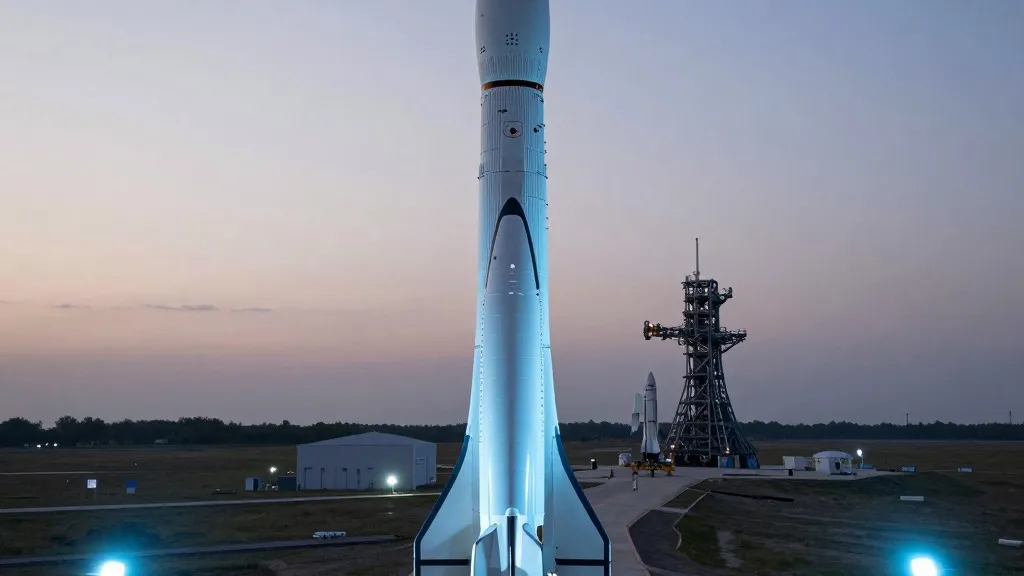
SpaceX has found itself at a crossroads this week, balancing aggressive expansion in commercial space with a complex set of logistical challenges regarding its flagship lunar vehicle. The company made headlines on Thursday by communicating its decision to the United States Space Force, effectively declining three offered military launch contracts. While the move signals a strategic focus, it arrives alongside a significant technical hurdle: a NASA safety panel has indicated that the Starship rocket may require up to 22 separate refueling operations in orbit to successfully support a crewed lunar landing. This high number of tankers has become a central point of discussion in the aerospace community as engineers work to finalize the mission architecture.
The numbers underlying the lunar program are staggering and point to a massive logistical undertaking. The requirement for 22 refuelings implies a need for an unprecedented level of coordination among multiple spacecraft in low Earth orbit. Each refueling event adds time, complexity, and potential risk to the overall mission timeline. For a vehicle designed to carry heavy payloads to the Moon, the efficiency of these transfers is critical. The safety panel’s assessment suggests that the current design parameters necessitate this high volume of fueling events, a factor that engineers must now optimize to ensure reliability before any astronauts are sent to the lunar surface.
Behind these figures are the key players driving the industry forward. On the corporate side, SpaceX remains the dominant force, but its competitors are also making significant strides. In Spain, PLD Space is preparing its Miura 5 rocket for its inaugural flight. CEO Raúl Torres confirmed that the vehicle is nearing final integration, with a target launch date set before mid-2027. The company has already manufactured three Miura 5 units, using two of them to qualify key system elements. This iterative approach allows the team to apply lessons learned from qualification campaigns directly to the launch vehicle, ensuring that the first flight is as robust as possible.
The stakes for these companies extend beyond a single launch or mission. For SpaceX, the decision to turn down military contracts suggests a prioritization of its civil space goals, particularly the lunar program, over immediate revenue from government defense missions. However, the reliance on 22 refuelings introduces a layer of operational risk that must be meticulously managed. A single failure in the refueling chain could jeopardize the entire lunar mission, making the development of reliable tanker vehicles a top priority. The company’s ability to execute this complex dance in orbit will determine the pace of its return to the Moon.
Meanwhile, in Canada, Reaction Dynamics is scaling up its operations to compete in the small-lift market. The company is seeking to raise $350 million to grow its workforce from 68 to more than 350 employees. This capital will support the development of the Aurora rocket, which is targeted for orbital debut in 2028. Additionally, Reaction Dynamics has announced plans for a medium-lift rocket named Borealis, with a debut planned by 2031. This expansion underscores the growing competition in the launch sector, as newer entrants aim to provide affordable access to space for a variety of customers.
The integration of the Miura 5’s second stage is currently underway at PLD Space’s Teruel test facility. This phase includes system-level testing under representative operating conditions, culminating in a wet dress rehearsal and a static hot-fire test. Torres noted that manufacturing the three vehicles allowed the teams to work continuously across different stages of production, ensuring that each qualification campaign contributed directly to the readiness of the launch vehicle. This methodical approach is designed to minimize risks associated with the rocket’s first flight.
As the industry moves forward, the interplay between commercial ambition and technical constraints will define the next phase of space exploration. SpaceX’s lunar plans, while ambitious, are now bound by the physical realities of orbital refueling. The 22-tanker requirement is not just a number; it is a benchmark for engineering excellence. For PLD Space and Reaction Dynamics, the path forward involves rigorous testing and strategic growth. The coming months will reveal whether these companies can maintain their momentum and deliver on their promises to put more payloads into orbit.
The narrative of this week’s developments is one of cautious optimism. SpaceX is focused on its long-term lunar goals, even as it navigates the complexities of military contracting. PLD Space is nearing a critical milestone with the Miura 5, and Reaction Dynamics is positioning itself for a significant expansion. Together, these companies represent the diverse and dynamic nature of the modern space industry, where innovation is driven by both technological breakthroughs and strategic business decisions.
Source: Ars Technica