SCTV documentary debuts on Netflix with star commentary
The film features interviews with Conan O'Brien, Bill Hader, and Bob Odenkork, who recall how the show's specific satire resonated with viewers in the 1980s.
By Giulia Gallagher ·
Netflix released the documentary SCTV: The Greatest Show You've Never Heard Of on Friday. The film examines the legacy of the Canadian sketch comedy series that aired during the 1980s. It features commentary from several contemporary television personalities.
Conan O'Brien, Bill Hader, Bob Odenkork, and Kathryn Hahn appear in the documentary. Each subject describes their personal experience with the show. They speak about the moment they recognized the specific humor of the series.
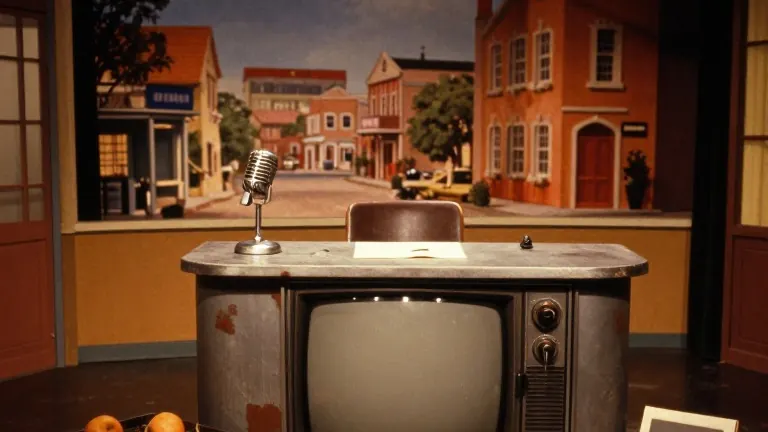
The show centered on a fictional television station located in a town called Melonville. The station was known as Second City Television. Episodes simulated a full day of local programming. This included talk shows, game shows, and variety segments.
A primary focus of the humor was the low budget of local broadcasting. Writers created sketches that mocked cheap production values. They featured chyrons, star wipes, and poorly written advertisements. The ads promoted fictional businesses such as Harry's Sex Shop and Phil's Nails.
The series also included celebrity impressions that targeted specific traits. Writers identified small details in a star's public persona. They exaggerated these details for comedic effect. Eugene Levy portrayed a version of Alex Trebek who became irritable with contestants. He directed this frustration at characters played by Catherine O'Hara and Martin Short.
Andrea Martin created a sketch based on a commercial for Playtex tampons. She focused on the audible breathing of actress Brenda Vaccaro. Martin turned up the volume on the tape. She transformed the breaths into loud, wheezing sounds that mimicked emphysema.
Catherine O'Hara also performed a sketch set during the Christmas season. She played the character of Lucille Ball in her seventies. O'Hara mimicked Ball's frog-like singing voice from the musical Mame. She also portrayed Ball's dismissive attitude during talk show appearances. O'Hara referenced the host's of that era, including Johnny Carson and Merv Griffin.
The documentary notes that the show appealed to viewers who felt a strong connection to its style. The humor was described as more specific than other sketch shows of the period. It focused on the culture of television rather than general society. This approach created a sense of belonging for its audience.
The series was produced in Canada, which influenced its cultural tone. Viewers often compared it to the American show Saturday Night Live. While Saturday Night Live was seen as sharp and Ivy League in style, SCTV was viewed as more informal. The Canadian origin of the show gave it a distinct identity in the North American market.
Source: WYPR