
Rizzo ranks walnuts, edamame, and chia seeds for heart and gut health
A registered dietitian identifies specific plant proteins that contain compounds to fight chronic inflammation.
By Karan Cabrera ·
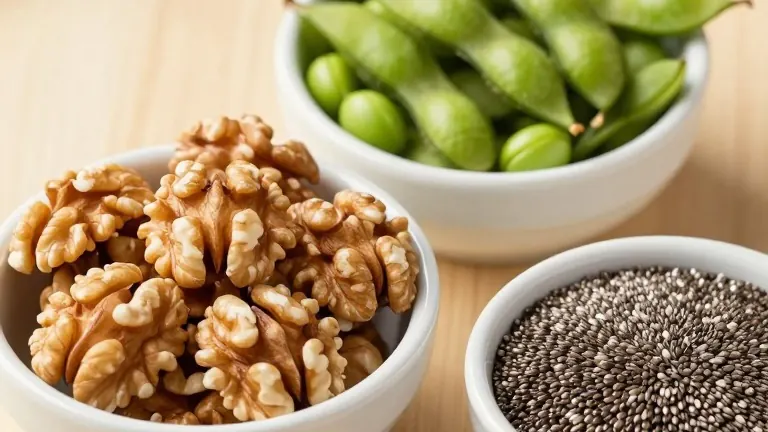
A half-cup serving of edamame provides nine grams of protein and four grams of fiber, making it one of the most nutrient-dense options identified by nutrition experts. Registered dietitian Natalie Rizzo, who serves as the nutrition editor for TODAY, lists this soy product alongside walnuts and chia seeds as top sources of anti-inflammatory plant protein.
Chronic inflammation is a normal immune response that can become harmful when persistent. Rizzo notes that this condition is associated with cardiovascular disease and Type 2 diabetes. She explains that eating anti-inflammatory foods regularly can reduce or eliminate these symptoms. The body relies on specific compounds found in plant foods to manage these processes.
Rizzo identifies antioxidants, polyphenols, unsaturated fats, and fiber as key anti-inflammatory components. Antioxidants neutralize free radicals, which are unstable molecules that damage cells. Unsaturated fats replace pro-inflammatory saturated fats in the diet. Fiber supports gut bacteria that produce compounds linked to lower inflammation levels.
Walnuts top Rizzo’s list for their role in brain and heart health. A one-ounce serving contains about four grams of protein and two grams of fiber. The nuts are rich in alpha-linolenic acid, an essential plant-based omega-3 fatty acid. Rizzo states that omega-3 fats regulate the body’s inflammatory processes. Research indicates that walnut consumption offers benefits for both cardiovascular and cognitive function.
Edamame offers a complete plant protein profile. These immature green soybeans contain isoflavones, which have antioxidant and potentially anti-inflammatory properties. Rizzo points out that edamame provides the added benefit of gut-healthy fiber compared to other soy products like tofu. She suggests roasting the beans with savory seasonings to create a crispy snack or adding them to stir-fries.
Chia seeds are recommended for their high content of anti-inflammatory alphas. A two-tablespoon serving delivers five grams of protein and 10 grams of fiber. Rizzo also recommends hemp seeds as an alternative. While chia seeds excel in fiber, hemp seeds provide more protein. A three-tablespoon serving of hemp seeds contains 10 grams of plant-based protein.
Rizzo advises consumers to vary their intake of these foods. No single antioxidant or anti-inflammatory compound performs every function in the body. She suggests incorporating these proteins into different meals to cover various nutritional needs. Walnuts pair well with oatmeal and yogurt, while seeds can be mixed into smoothies or used in baking.
The selection of these specific plant proteins reflects a focus on practical dietary changes. Rizzo emphasizes the importance of consistency in consuming these foods. Her recommendations aim to provide accessible options for reducing chronic inflammation through diet. The nutrients in these foods work together to support long-term health outcomes.
Source: WCAU