
Homeowners Seal Drafts With Basic Tools in 2026
A typical repair costs between $15 and $60 and takes one to three hours, requiring only specific materials matched to the window or door mechanism.
By Giulia Gallagher ·
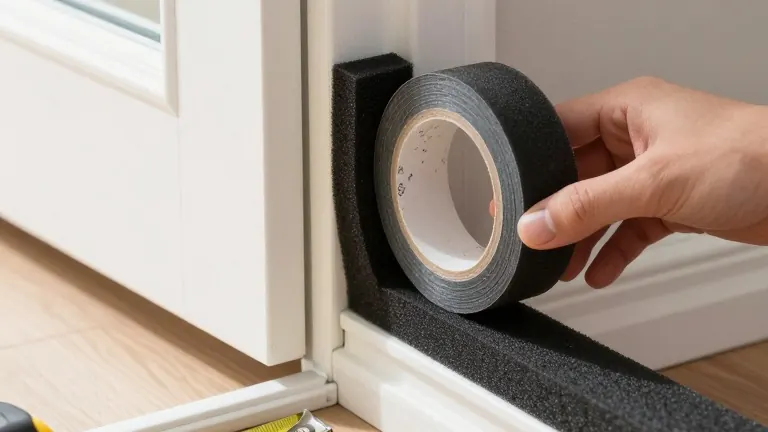
Homeowners in 2026 are sealing air leaks using basic tools and a budget of $15 to $60. The process requires identifying specific drafts and installing matching seals without restricting the movement of windows and doors. Most people can complete the work for several problem areas in one to three hours.
The choice of material depends on how the opening moves. Adhesive foam or rubber seals suit closing surfaces, while V-strip handles sliding contacts. A door sweep covers the bottom of exterior doors. A thicker seal does not always provide a better fit. Excess material can prevent a window from locking or leave a door partially open.
A standard kit includes a measuring tape, pencil, scissors, and a sharp utility knife. Users also need mild household cleaner, clean cloths, and a putty knife for removing damaged adhesive. A flashlight and a thin sheet of paper help check gaps. A screwdriver or drill is required for mechanically fastened products.
The repair process begins with finding drafts. Homeowners close exterior doors and windows to inspect edges for visible light or damaged seals. They use the back of a hand to feel for airflow, especially during windy weather. A smoke pencil can identify airflow around suspected gaps. Users must keep testing equipment away from flammable materials.
Key inspection points include the bottom and latch side of exterior doors. They also check the upper and lower corners of window sashes and meeting rails on double-hung windows. Sliding tracks and frame junctions require attention, as do areas where existing rubber or foam has cracked. Loose trim surrounding stationary window frames is another target.
Homeowners distinguish between moving and stationary gaps. Weatherstripping belongs where surfaces move against each other. Caulk serves fixed joints around frames and trim. Sealing every visible gap can interfere with essential drainage, ventilation, or movement clearance. The US Department of Energy provides guidance on sealing these leaks.
A standard 36 by 80 inch door requires approximately 16 feet 3 inches of material for the top and two vertical sides. This estimate excludes the bottom sweep and installation waste. A 17-foot package often suffices for a typical perimeter installation. Users should measure the actual opening before purchasing to account for larger doors or unusual frames.
Preparation involves removing old material and cleaning the surface. Self-adhesive weatherstripping performs poorly on dirty, oily, or damp surfaces. Homeowners inspect the surface type, including painted, stained, vinyl, aluminum, or unfinished wood. They tighten loose hinges and check window sash alignment before applying new seals. An uneven opening produces inconsistent gaps that thicker foam cannot reliably repair.
Installation requires measuring contact surfaces rather than estimating from outside dimensions. A sharp blade produces clean edges. Users perform a dry fit for adhesive foam before removing the protective backing. They avoid stretching the material, as elastic seals can retract and open gaps near corners. For sliding windows, V-strip and correctly sized pile seals reduce leakage while allowing the sash to travel.
Casement and awning windows generally press their sash against the frame when locked. Bulb or compression seals work well along these contact surfaces. Homeowners inspect the locking mechanism before adding material. They never block weep holes, drainage channels, or required emergency exits. The window must still open and close safely after the modification.
Source: Baltimore Chronicle