UN Cuba Vote: Waltz Details Trade Data
The U.S. ambassador to the UN cited $876 million in exports and $100 million in new food aid ahead of a General Assembly vote on October 29.
By Giulia Gallagher ·
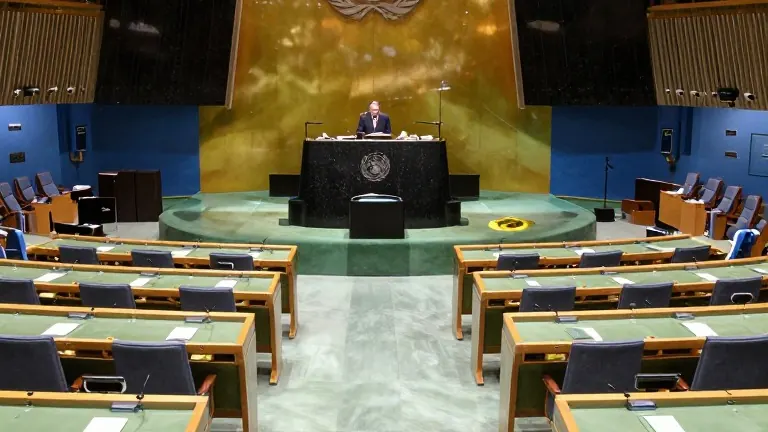
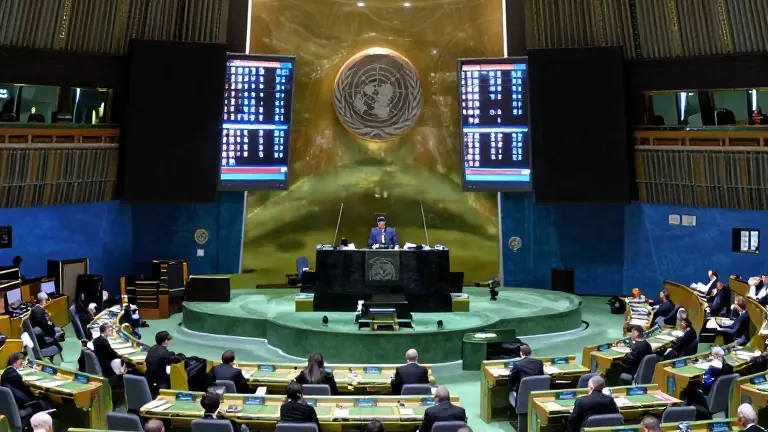
U.S. Ambassador to the United Nations Mike Waltz urged members of the UN General Assembly to vote against the annual resolution on Cuba on October 29, 2026. He argued that the measure allows the Cuban government to claim international support while domestic conditions remain difficult. Waltz stated that the vote serves as a propaganda tool for the leadership in Havana.
Waltz presented trade figures to challenge the narrative that U.S. sanctions constitute an embargo. He noted that American companies exported $876 million in goods to Cuba during the first eight months of 2026. This amount includes $250 million in fuel, which makes the United States the largest supplier of fuel to the Cuban private sector. He also listed shipments arriving from countries including Belize, Canada, Chile, China, Colombia, Mexico, Russia, Spain, Uruguay, the European Union, and CARICOM.
The ambassador highlighted a new $100 million commitment from President Trump for food and medical aid. This assistance is routed through the Catholic Church rather than state-controlled entities. Waltz explained that the Cuban government opposes this channel because it bypasses military monopolies that control most external trade. He cited research from the Miami Herald indicating that the military conglomerate GAESA controls $18 billion in assets and $14 billion in cash.
Tensions rose during the preceding day's session when Cuban diplomats confronted U.S. representatives. Waltz described the incident as a violation of the host country agreement, noting that one Cuban diplomat was ordered to board a flight back to Havana. He said the U.S. government would seek consequences for the physical confrontation that occurred in the chamber.
Former political prisoners Jose Daniel Ferrer and Orlando Gutierrez-Boronat attended the meeting. Ferrer has been imprisoned multiple times for advocating for civil liberties. Gutierrez-Boronat has campaigned for decades against the government. Waltz asked assembly members to consider the presence of these activists while casting their votes. He stated that the Cuban regime maintains 800 political prisoners in its facilities.
Waltz concluded by asking members to reject the resolution. He said the vote would signal to the Cuban public that the world supports the government's position on the economic crisis. He emphasized that the assembly's decision would be broadcast on Cuban state television, reinforcing the official narrative that the hardship is caused by the United States.
Source: Latin Opinion