Ofcom: 100,000 UK Teens May Need New ID for Social Media Ban
Regulator estimates 150,000 16-to-17-year-olds lack passports or licenses, creating a potential barrier for under-16s relying on age verification backstops.
By Giulia Gallagher ·
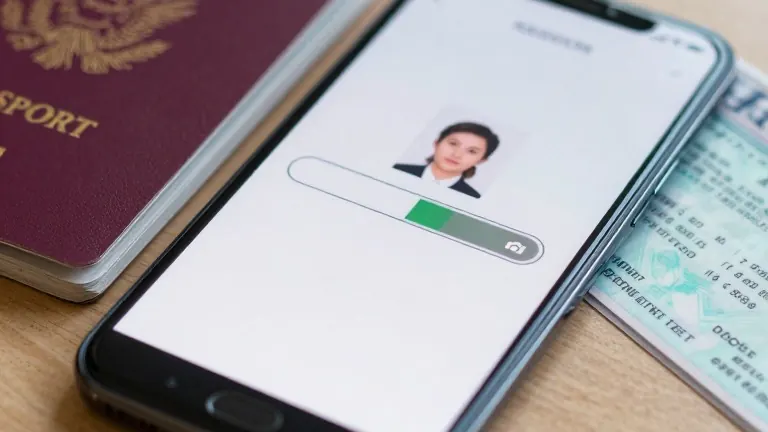
Ofcom, the UK's online watchdog, stated that more than 100,000 British teenagers risk losing access to social media if they cannot produce a passport or driving license when an under-16 ban takes effect next spring. The regulator's latest assessment indicates that these two forms of photo ID are likely to serve as the primary verification tools for age-restricted platforms.
The agency estimates that approximately 150,000 16- to 17-year-olds currently do not own either a passport or a driving license. Since the ban is modeled on Australia's recent legislation, it is expected to cover major services including Instagram, TikTok, YouTube, Facebook, Snapchat, and X. The government has not yet finalized the list of affected platforms but anticipates it will mirror the Australian scope.
Ofcom outlined four highly effective age verification methods in a report published this week. These include matching official ID with a live selfie, bank account verification, using digital ID services such as the Young Scot card, and facial age estimation. While facial age estimation has been widely used for adult content sites since last year, Ofcom warned it can be inaccurate by several years. Consequently, the watchdog said official ID will likely act as a backstop for these less precise methods.
"This means that people without a form of photo ID will likely need to take steps to obtain one to access age-restricted services," the regulator said. More than nine out of ten Britons over 16 hold a passport or driving license, meaning the group at risk is relatively small but significant for platform access. Ofcom chief executive Melanie Dawes acknowledged that motivated children would try to bypass the restrictions, comparing the effort to enforcing alcohol laws.
Dawes described the upcoming change as a huge cultural shift for the UK. She noted that while the ban would not completely eradicate underage use, platforms would have methods to mitigate the risk. In Australia, where a similar ban was imposed in December, an eSafety commissioner reported in March that a substantial proportion of under-16s had flouted the rules. A survey of 900 Australian parents found that 31% said their children still maintained social media accounts after the ban, down from 49% before it was introduced.
The UK government is expected to introduce regulations confirming the ban by the end of the year. Ofcom will also open a consultation on the best age verification methods before issuing official guidance on which measures platforms must adopt. The ban is due to come into force next spring, giving users and regulators time to implement the necessary checks.
Source: The Guardian