Meta Puts Google Chips to Work, Posing a Fresh Challenge to Nvidia
New software tools are enabling Meta to run AI tasks on Google's processors, a development that could alter the competitive landscape for AI hardware.
By John Wisniewski ·
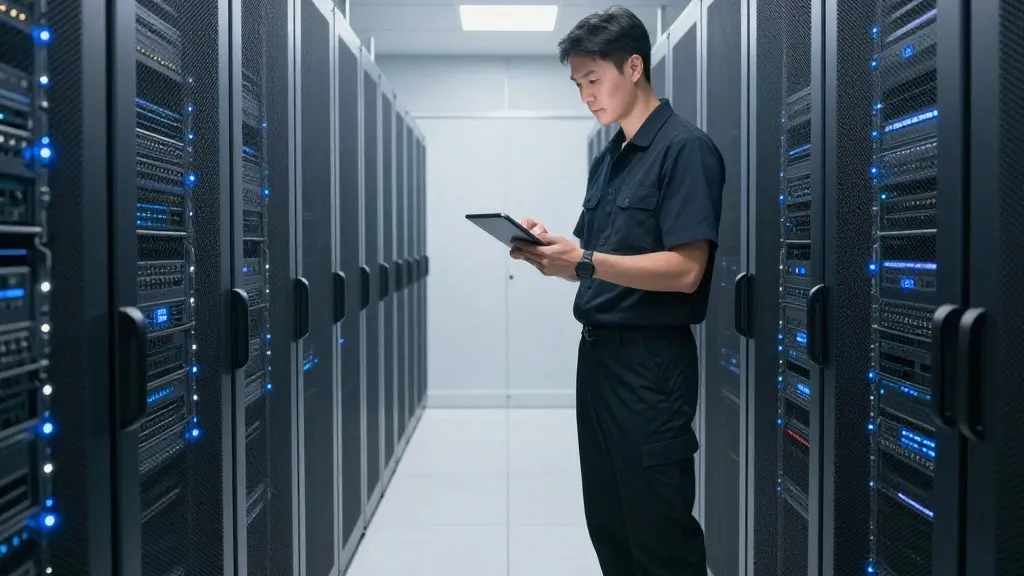
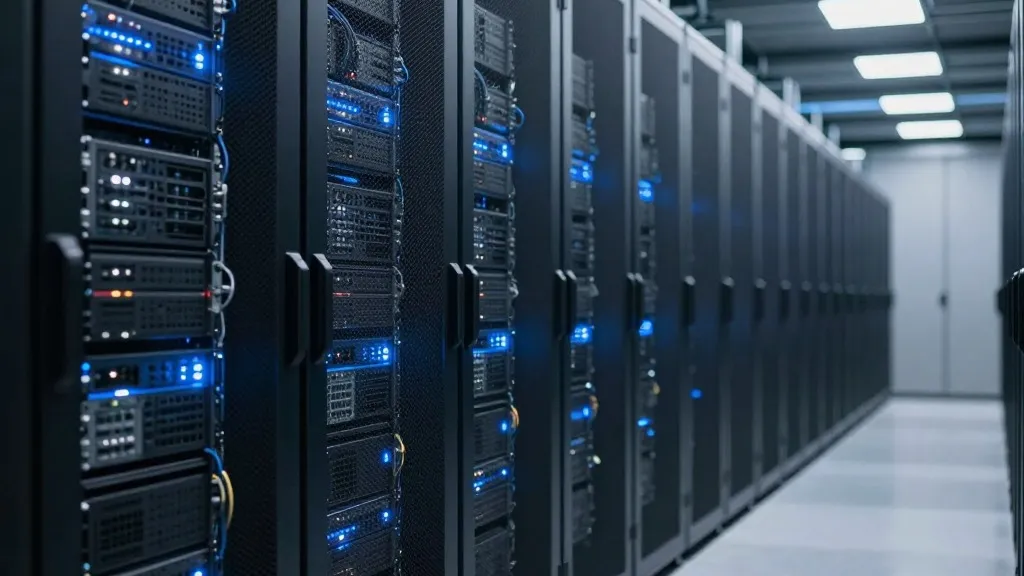
Meta's data centers are now actively running artificial intelligence workloads on Google's custom-built Tensor Processing Units, a move that signals a potential shift in the market for AI computing power. This deployment is made possible by a new version of the SGLang inference engine that is designed to work directly with PyTorch, a software framework that is central to Meta's AI development. The ability to run on Google's TPUs marks the first time these processors have been sold to external customers for use in production environments.
The development directly affects companies and individuals building and operating AI services. It means that Meta's AI models can be run on Google's silicon, providing an alternative to the processors from Nvidia, which currently holds a dominant position in the market. This could influence the availability and cost of AI computing resources for businesses that rely on this technology.
The core of this change lies in software compatibility. Previously, running Google's TPUs required developers to use Google's JAX framework, creating a barrier for teams built around PyTorch. The new PyTorch-native version of the SGLang inference engine, announced on Google's developer blog, allows Meta's existing AI applications to run on TPUs without significant rewrites. A matching version of vLLM, another widely used inference engine, has also been made available as open source to support this function.
Meta is publicly endorsing this new capability. Zongwei Zhou, Meta's PyTorch-TPU lead, stated that SGLang-TorchTPU is running in production at Meta today after a close three-way collaboration between Meta, Google, and the SGLang team. Jana van Greunen, director of PyTorch engineering at Meta, explained that Meta "cannot be constrained by a single hardware architecture" and that TorchTPU "enables us to deploy our PyTorch workloads to Google TPUs." Google said it co-developed TorchTPU with Meta's PyTorch team.
This is not the first time Meta has experimented with Google's AI chips. Earlier attempts to connect PyTorch to TPUs involved a bridge called PyTorch/XLA, which Google described as a predecessor to the new TorchTPU. SemiAnalysis reported last year that Meta research teams used TPUs through this bridge from 2020 to 2023 before Meta canceled those contracts. Google's effort to enable PyTorch on TPUs has been aimed primarily at Meta, which did not want to migrate to the JAX framework.
The location of Meta's production TPUs remains unclear. However, talks last year reportedly included Google Cloud TPU rentals in 2026 with purchases in 2027, and Meta later reportedly signed a multi-year rental agreement. This arrangement provides a path for Meta to expand its use of the technology in the future.
The announcement follows a similar move from a competitor. Amazon recently announced it was open-sourcing TorchNeuron, its own native PyTorch backend for its Trainium2 and Trainium3 chips, at the same PyTorch Conference. Both announcements appear to be aimed at loosening Nvidia's software lock-in.
Early performance results suggest Google's TPUs are competitive. A tuned vLLM setup serving Moonshot AI's open-weight, 2.8-trillion-parameter Kimi K3 model reportedly tops 700 tokens per second for a single user on the seventh-generation Ironwood TPU. That speed figure comes from Inferact, the startup founded by vLLM's creators that helped Google build vLLM-TorchTPU. Its test ran 16 Ironwood chips with speculative decoding, a method of speeding up large language model inference with a small draft model, against vLLM's published setup on 16 Nvidia GB200s, which reached 452 tokens per second.
Looking ahead, SGLang-TorchTPU will keep adding models, starting with DeepSeek V4.1 Flash and Reflection Beam. It's also working toward Day 0 TPU support for new open models, meaning support on release day, by the first quarter of 2027, according to RadixArk. Google, Meta and RadixArk plan to share more at SGLang Summit 2026, Nov. 12-13 in San Francisco.
Source: Tom's Hardware · original report published
More Business · Scam Watch · Report a business · Got a Story?