Hakeem Jeffries Expected to Become First Black Speaker of the House
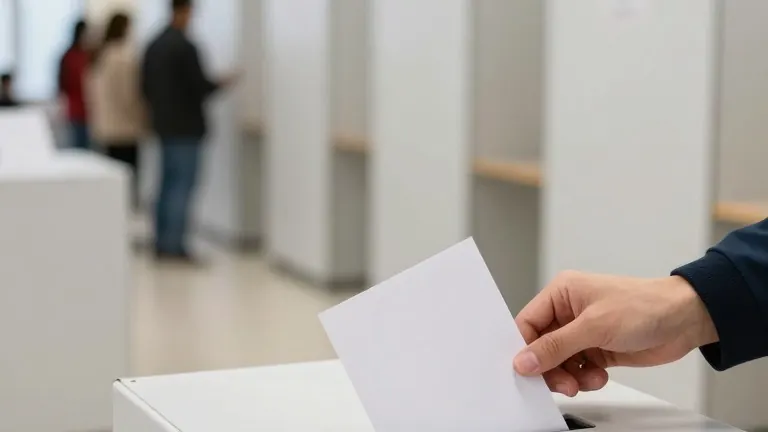
Following a decisive Democratic victory in the midterms, Rep. Hakeem Jeffries is on track to assume the speakership, marking a historic milestone in Congress.
By Karan Cabrera ·
Rep. Hakeem Jeffries of New York appears all but certain to become the first Black lawmaker to be elected speaker of the House. This expected elevation follows his role in helping House Democrats secure a decisive victory in the recent midterm elections. As speaker, Jeffries would hold the second position in the presidential line of succession, immediately after the vice president.
The move represents the culmination of a nearly 14-year tenure in the House of Representatives. Jeffries has risen from a rank-and-file member focused on criminal justice policy to a top party lieutenant under former Speaker Nancy Pelosi of California. He was elected House minority leader in 2022, becoming the first Black politician to lead either party in the House or Senate. His path to the speakership has required securing support from a diverse and often fractious Democratic caucus, a challenge that may intensify as the party seeks to deliver on its promises to voters.
Speaking on Tuesday night, Jeffries emphasized the need for significant legislative action. He stated, "This is a change election, and we understand as House Democrats that we need to deliver dramatic change. Things are broken. We need a Congress that puts the American people first."
Born and raised in Brooklyn, Jeffries has represented parts of the borough in Congress since 2013. He has served as a leader in both the Congressional Black Caucus and the House Democratic caucus. Before entering politics, he worked as a lawyer in private practice. He credits his time helping community members through a law school legal clinic with sparking his interest in criminal justice reform. In a 2023 interview with NY1, he noted that he wanted to address the broken criminal justice system if he pursued public service.
Jeffries previously served for six years in the New York State Assembly, where he worked on regulating warrantless stop-and-frisk searches by the New York City Police Department. As a policymaker in Washington during the first Trump administration, he led the effort to pass the bipartisan First Step Act, which reduced sentences for certain drug crimes. That effort involved close collaboration with Jared Kushner, President Trump's son-in-law. Jeffries told Time that achieving results in Washington often requires a "coalition of unusual suspects" and described the partnership with Kushner as one that produced real results.
The lawmaker faced criticism from some within his party earlier this year for meeting privately with Kushner. The meeting was first reported by The New York Times and later confirmed by Jeffries. He explained that he accepted the meeting at Kushner's request to discuss affordability issues, adding that Democrats intend to hold the administration accountable.
Jeffries has a complex political identity. He was once a member of the Congressional Progressive Caucus and sponsored Medicare for All proposals, though he has drawn skepticism from activists on the party's left. As speaker, he will need to manage the growing number of Democratic Socialists of America-aligned and far-left members in the legislative process. In a 2021 interview with The Atlantic, he stated that he would never bend the knee to hard-left democratic socialism, noting that Black progressives tackle issues with an understanding of systemic racism's long history in America.
He further explained that hard-left progressives often view class as the defining problem in America, which differs from his experience as a Black man in the country. Jeffries also served as an impeachment manager during the Senate trial regarding Trump's pressure campaign on Ukraine. Like many elected Democrats, he has not committed to pursuing impeachment again in Trump's second term, telling ABC in September that Democrats have not ruled anything in or out. His primary focus for the new Congress remains lowering costs for Americans. The House is scheduled to hold a floor vote for speaker when the new Congress convenes on January 3.
Source: NPR
More News · National news · Report a business · Got a Story?