Broadway Producers Rely on Free Tickets to Build Word of Mouth
Industry insiders explain how 'papering the house' and complimentary seats function as marketing tools during a production's preview period.
By Karan Cabrera ·
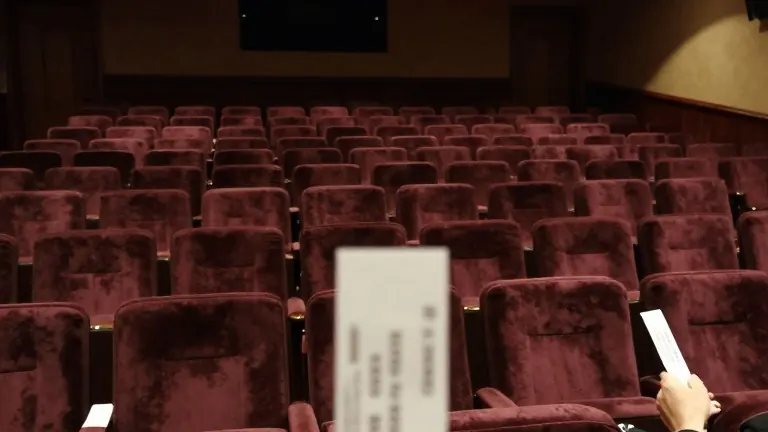
Broadway producers are increasingly using complimentary tickets and discounted seats to fill theaters during the early weeks of a run. This practice, known as 'papering the house,' aims to create a lively atmosphere and generate organic conversation before a show opens to the general public.
The strategy distinguishes between 'comps' and 'papering.' Comps are typically reserved for invited guests, industry professionals, investors, and press. Papering, however, involves filling unsold seats with free or deeply discounted tickets, often through specialized audience distribution organizations. Both methods are common on Broadway and Off-Broadway, particularly during previews when a production is still establishing its audience.
Alex Tavis, a working actor and independent theater ticketing logistics partner, argues that an empty seat generates no revenue. By placing an audience member in that seat for free, producers make an investment that can yield returns through word of mouth. An enthusiastic patron might tell friends, post on social media, or recommend the show to colleagues. These interactions can convert into paying customers who then spread the word further.
Beyond marketing, a full house affects the performance itself. Tavis notes that actors require lively audiences, especially during previews when directors and writers are still refining the material. A comedy plays differently to a packed theater than to a half-empty one. Laughter and enthusiasm are contagious, and a responsive audience provides immediate feedback that a sparse crowd cannot offer.
However, giving away tickets is not without financial risk. Every complimentary ticket represents lost revenue if that seat could have been sold. Producers must balance the need to fill seats with the necessity of maintaining accurate pricing data and respecting paying customers. There is also uncertainty regarding whether someone accustomed to free tickets will eventually purchase one. Some become vocal advocates without ever becoming regular payers, though their role in attracting new customers remains valuable.
The practice is often a deliberate marketing strategy rather than an admission of a struggling show. In an industry where marketing budgets can reach millions of dollars, generating momentum quickly is essential. Producers use papering to build buzz when advertising campaigns are underway but critical reviews have not yet shaped public opinion. The goal is to maximize immediate engagement while building a base for future sales.
Tavis, who has worked in theater ticketing since 2017, emphasizes that Broadway operates as both an art form and a business. The challenge lies in knowing when to prioritize immediate revenue and when to invest in future audience growth. Sometimes, the most valuable ticket is the one given away today that helps sell ten more tomorrow.
Source: amNY
More Business · Scam Watch · Report a business · Got a Story?