Ukraine Accelerates Search for Starlink Alternatives After Service Instability
Reliability concerns and political volatility are prompting Kyiv and its allies to diversify away from the dominant satellite network.
By John Wisniewski ·
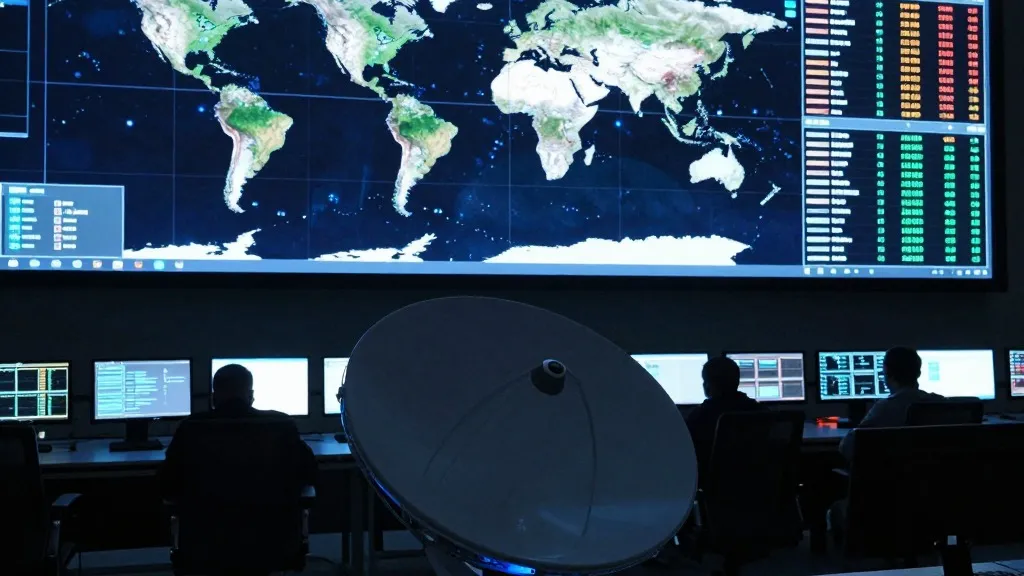
Ukrainian defense officials and European partners are intensifying efforts to reduce their dependence on Starlink following a recent period of unexpected service disruptions. The instability has triggered urgent strategic discussions across the region regarding the continuity of satellite communications. This shift represents a significant pivot in how military logistics and digital infrastructure are being planned for the ongoing conflict.
The disruption highlights a growing vulnerability in Ukraine's defense strategy. For years, the satellite network provided a critical backbone for both civilian connectivity and military operations. However, the latest interruptions have forced a reevaluation of this reliance. Decision-makers are now prioritizing the development of alternative systems to ensure that communications remain robust regardless of external factors affecting the primary provider.
Starlink has historically served as the world's largest communications satellite network. It facilitates high-speed internet and data transmission for users and vehicles equipped with compact terminals. This infrastructure has been instrumental in allowing Ukraine to maintain vital links during the war. It has also expanded the military's capacity to control drones remotely, a key component of air defense and offensive strikes against Russian targets.
The operational value of the system is widely acknowledged by industry experts. The head of hardware research and development at Ukrainian defense firm BlueBird Tech noted that the service offers some of the best satellite coverage available. This assessment is based on a combination of cost, availability, and ease of use. The expert described the system as having virtually no competitors in this specific market segment. The primary practical limitation, according to the source, is the physical requirement to position the antenna correctly to receive satellite signals.
The financial backing for this infrastructure has come from multiple sources. The United States government, along with European nations including Poland and Germany, has funded the deployment of tens of thousands of commercial terminals. These countries also cover the associated subscription fees. This collective investment underscores the critical nature of the network to the allied support structure for Ukraine.
Beyond commercial terminals, the US government has granted Ukraine's military access to a specialized military-grade version of the service known as Starshield. This advanced system allows for enhanced security and performance tailored to defense needs. Ukrainian defense companies are also utilizing this access to test their own technologies in cooperation with the military. This collaborative testing phase is a crucial part of the broader strategy to integrate and validate new hardware.
The current situation is being viewed through the lens of political dynamics surrounding the service provider. Musk’s political inclinations have contributed to a perception of unreliability among key stakeholders. This perception has compounded the impact of the recent technical disruptions. As a result, the question of how to proceed without a single point of failure is now at the forefront of defense planning in Europe and Ukraine.
The path forward involves a dual-track approach. While maintaining the existing infrastructure for its proven capabilities, officials are actively exploring other options to mitigate risk. This diversification is intended to ensure that the military and civilian sectors can continue to operate effectively. The goal is to build a resilient communications architecture that is less susceptible to external political or technical shocks.
Reactions from the defense sector emphasize the need for pragmatic solutions. The BlueBird Tech representative highlighted the competitive advantage of the current system while acknowledging the need for strategic depth. This balanced view reflects the broader industry sentiment that while Starlink is currently superior in many metrics, the cost of dependency has become too high. The focus is now on balancing immediate operational needs with long-term strategic independence.
Looking ahead, the coming months will likely see increased activity in the satellite communications market. Expect further collaboration between Ukrainian defense firms and international partners to finalize alternative solutions. The recent disruptions have served as a catalyst for this accelerated timeline. The outcome of these efforts will shape the digital landscape of the conflict and potentially influence broader global defense procurement strategies.
Source: Ars Technica · original report published
More Business · Scam Watch · Report a business · Got a Story?