Tesla Sets 20,000-Unit Weekly Target for Optimus Robots by Late 2027
The automaker has pushed its external delivery timeline to the end of next year, citing persistent challenges with mechanical durability and artificial intelligence.
By Giulia Gallagher ·
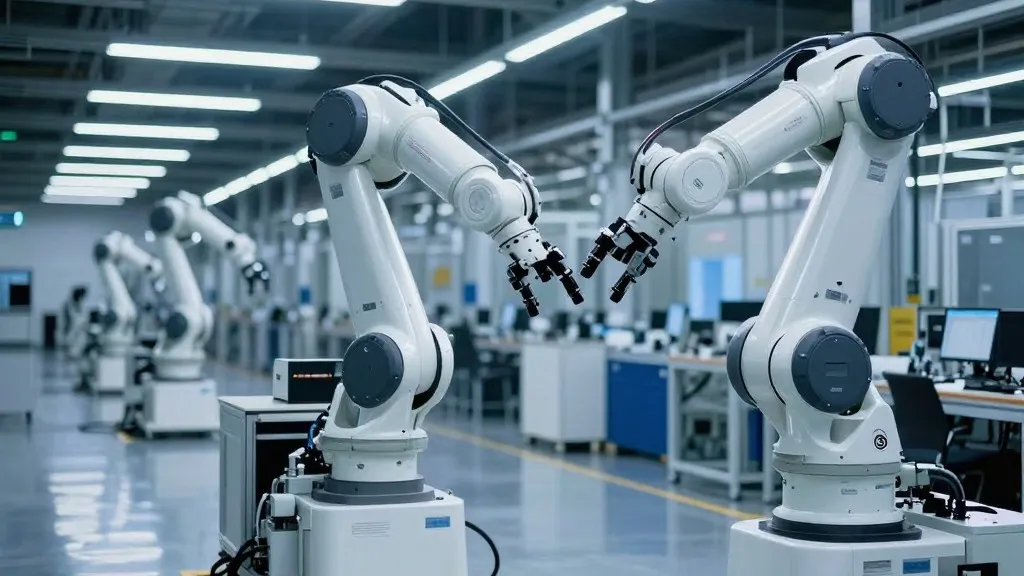
Tesla has established a production target of 20,000 humanoid robots per week, a figure that corresponds to an annual output of roughly one million units. This ambitious milestone is now projected for late 2027, marking a significant shift in the company’s roadmap for its Optimus line. The adjustment reflects ongoing internal assessments of the robot’s current capabilities and the time required to refine its core systems before external sales begin.
The first major hurdle involves the physical hardware, specifically the dexterity and durability of the robot’s hands. During the Q3 2026 earnings call, company leadership identified the hand as a critical area for improvement. The engineering team is working to create fingers that are soft enough to manipulate delicate items yet robust enough to withstand constant industrial wear. Unlike human skin, the synthetic components cannot heal, making long-term reliability a central focus of the design process.
The second challenge centers on artificial intelligence and data acquisition. Tesla does not yet possess a large fleet of fielded robots to generate the vast amounts of data required for its autonomous driving models. To bridge this gap, the company plans to manufacture between 10,000 and 20,000 units for an internal training program known as the Optimus Academy. These robots will practice various tasks to improve the AI architecture before the integration of the new AI5 chip, which is scheduled for April 2027.
The third factor is the transition to high-volume manufacturing. Tesla has begun early production on its Fremont assembly line, a facility previously dedicated to Model S and Model X vehicles. While the majority of the production equipment is installed, the design is still subject to changes. This fluidity in the engineering process means that reaching the full weekly output will likely take at least a year, if not longer, to stabilize.
Contextualizing these delays, the company’s Q3 shareholder letter describes the recent output from Fremont as the first production-quality bots manufactured. This designation implies that earlier prototypes did not meet the same standard of reliability. Previous timelines have shifted frequently, with earlier promises of internal use in 2025 and external delivery in 2026 failing to materialize as planned.
The outlook for the humanoid robot market remains competitive. Rivals such as XPeng and Boston Dynamics are pursuing similar goals, with Boston Dynamics already deploying its electric Atlas model in industrial settings. Tesla plans to deliver Optimus to external customers by the end of 2027, initially targeting industrial roles that are dangerous or repetitive. The company has promised a demonstration video within the next two months to showcase the robot’s ability to perform unscripted tasks, a move intended to prove its progress beyond pre-programmed routines.
Source: Electrek · original report published