Alaska Senate Race: Salmon Shortage Fuels Political Fight
Trawlers and Indigenous subsistence fishers clash over bycatch as the election nears.
By Giulia Gallagher ·
President Trump has moved to preemptively block election results in Alaska should the Republican incumbent lose, but the campaign’s central battleground is the state's fishing industry. The conflict centers on the return of salmon to Western Alaska rivers, a resource that has sustained Indigenous communities for generations. As the number of returning fish drops, the economic and cultural strain is reshaping the political landscape of the U.S. Senate race.
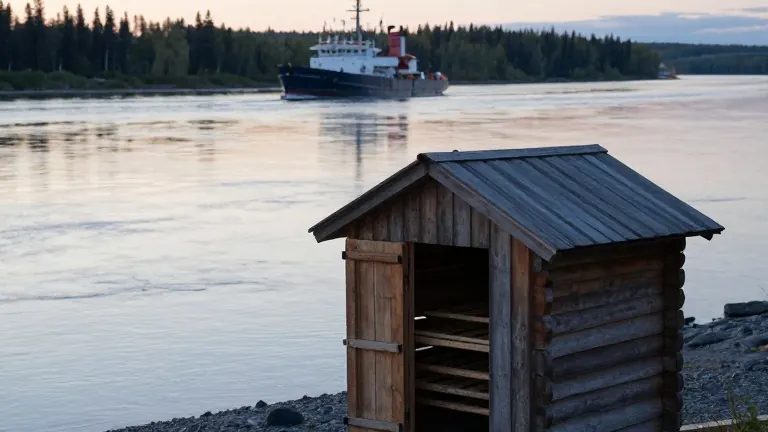
Evon Waska lives on the edge of the Kuskokwim River, where his parents settled after ending a nomadic lifestyle. His drying racks, usually filled with catch, stood empty this year. Government agencies have frequently closed the river to all fishing to conserve stocks, including for those who fish to feed their families. Waska blames the loss on industrial trawlers operating miles offshore in the Bering Sea.
"They don't close the trawlers. They close me and my people first," Waska said. He represents a growing number of residents who feel squeezed by a $1 billion pollock industry, much of which is based in Seattle. These vessels use nets that are a quarter mile long and as wide as a football field. While they target pollock, they also scoop up king salmon, which is then discarded as bycatch.
The issue has dominated local political advertising. Republican Senator Dan Sullivan, who has historically supported the pollock industry, is now promoting new legislation. "It's the most comprehensive bycatch legislation ever to reduce bycatch, protect seafloor habitat," Sullivan said in a recording. His Democratic challenger, Mary Peltola, an Indigenous woman from the Kuskokwim, proposes banning the largest factory trawlers. She calls Sullivan's bill an election-year ploy.
"Dan Sullivan reeled in over $300,000 from trawlers and waited until the 11th hour for a half-hearted and half-baked solution," Peltola said. Heather Mann, who leads a trawlers association, argues that blaming the pollock fleet is a misstep. "Even if you were to eliminate pollock, the chances of salmon runs being restored, what the science shows us is it would have a minimal impact," Mann stated.
This year, pollock trawlers report catching 40,000 Alaska salmon. Industry representatives note this waste is a small fraction of the total pollock harvest. However, in the village of Kwethluk, the loss is felt deeply. Subsistence fishing remains the primary occupation and the backbone of local culture. Tribal president Mary Nikolai toured a neighbor's cold smokehouse, which had gone unused throughout the summer.
"Most of the smokehouses are like this. And it's like a slow trend of closing our workforce out," Nikolai said. She hopes the tight Senate race draws national attention to the environmental pressures facing her community. The campaign has turned the state's fishing disputes into a decisive factor for voters who may determine the balance of power in Washington.
The race pits the interests of major commercial fishing operations against the subsistence needs of remote villages. Sullivan continues to push for his bycatch bill, while Peltola advocates for stricter bans on factory vessels. The outcome of the election will shape the regulatory environment for the Bering Sea fishery for years to come.
Source: WYPR